


Customize
About Item
Windrow Composting Infrastructure Development Service provides design, construction, and operational setup for large-scale aerobic composting systems using windrow methodology, ideal for farms, FPOs, and agri enterprises handling bulk organic waste.
Overview
Windrow composting is a scalable aerobic composting method where organic waste is arranged in long rows (windrows) and periodically turned to promote oxygen flow and microbial activity. It is highly suitable for medium to large farms, FPO clusters, agro-processing units, and institutional composting operations.
Windrow Composting Infrastructure Development Service supports end-to-end project implementation — from site selection and engineering design to machinery installation and operational training. The system is optimized for high-volume organic waste conversion with consistent quality output.
This service supports commercial compost production and structured organic waste management at scale.
Site Assessment & Engineering Design
Proper planning ensures operational efficiency.
Assessment includes:
Organic waste volume analysis
Land suitability and drainage review
Climate impact assessment
Layout planning for windrow alignment
Leachate collection system design
Stormwater management planning
Engineering design ensures long-term durability and compliance.
Infrastructure & Equipment Installation
Mechanized systems improve efficiency.
Infrastructure components include:
Concrete or compacted composting pad
Windrow formation layout
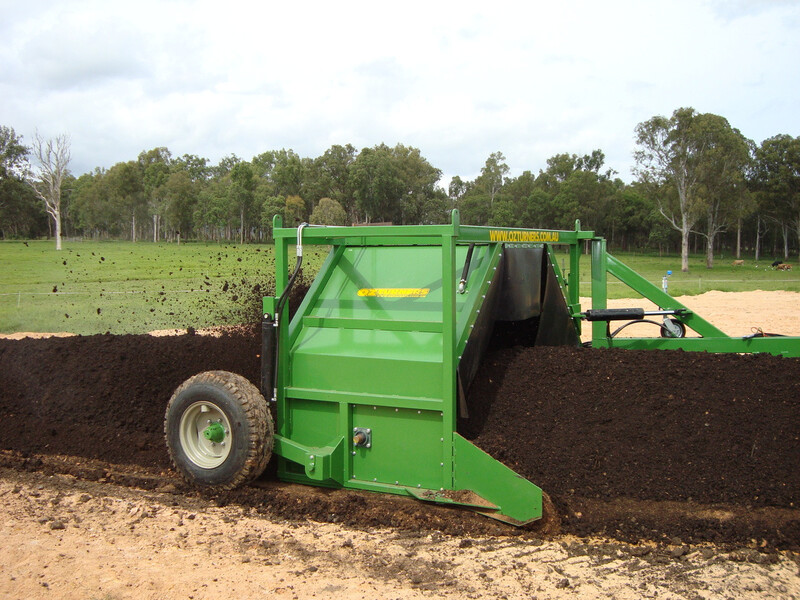
Mechanical windrow turners
Shredders for waste pre-processing
Water sprinkling systems
Temperature monitoring tools
Structured infrastructure supports consistent decomposition.
Process Optimization & Material Management
Scientific process control improves compost quality.
Operational support includes:
Carbon-to-nitrogen ratio balancing
Layered waste mixing
Scheduled turning cycles
Aeration optimization
Moisture regulation
Decomposition timeline management
Process control ensures faster and stable compost production.
Large-Scale Organic Waste Handling
Windrow systems are ideal for bulk waste streams.
Supported inputs include:
Crop residues
Vegetable and fruit waste
Agro-processing waste
Dairy manure
Market organic waste
Green biomass
Bulk management enhances efficiency.
Quality Control & Testing
Commercial compost requires quality assurance.
Monitoring includes:
Temperature tracking
Pathogen reduction verification
Compost maturity testing
Nutrient content analysis
Moisture content control
Batch documentation
Quality testing improves market acceptance.
Commercial Compost Production & Marketing
Windrow systems support revenue generation.
Business integration includes:
Bulk compost production planning
Packaging and branding support
Market linkage with retailers and distributors
Certification support (organic standards)
Pricing strategy development
Inventory tracking systems
Commercial integration enhances profitability.
Environmental & Sustainability Benefits
Windrow composting reduces environmental impact.
Environmental advantages include:
Reduced landfill waste
Lower methane emissions
Improved soil organic matter
Reduced chemical fertilizer dependency
Enhanced circular agriculture practices
Large-scale composting strengthens sustainability metrics.
Strategic Importance in Organic Waste Management
Windrow Composting Infrastructure Development is a scalable solution for organized organic waste management and commercial compost production. It enables institutional and FPO-led compost ecosystems that support both soil health and rural economic growth.
Strategic advantages include:
High-capacity composting capability
Reduced waste disposal burden
Revenue from compost sales
Improved soil regeneration
Strengthened circular economy adoption
Ideal Customers
Farmer Producer Organizations (FPOs)
Agro-processing units
Dairy cooperatives
Organic farming enterprises
Rural municipalities
Agri waste management startups