


Customize
About Item
Tissue Culture Lab Bio-Waste Collection & Segregation Service provides structured collection, classification, and safe handling of biological waste generated in plant tissue culture laboratories, ensuring biosafety compliance and contamination control.
Overview
Plant tissue culture laboratories generate various categories of bio-waste, including contaminated culture media, used explants, infected plantlets, disposable plastics, glassware, and chemical residues. Improper disposal can result in cross-contamination, environmental hazards, and regulatory non-compliance.
Tissue Culture Lab Bio-Waste Collection & Segregation Service establishes a scientifically designed waste management framework tailored for agri-biotech labs. The service ensures that biological, chemical, and recyclable waste streams are clearly separated, safely handled, and directed toward appropriate treatment or disposal channels.
This system enhances laboratory biosafety, operational hygiene, and environmental responsibility.
Waste Identification & Classification
Accurate classification is essential for safe disposal.
Waste categories include:
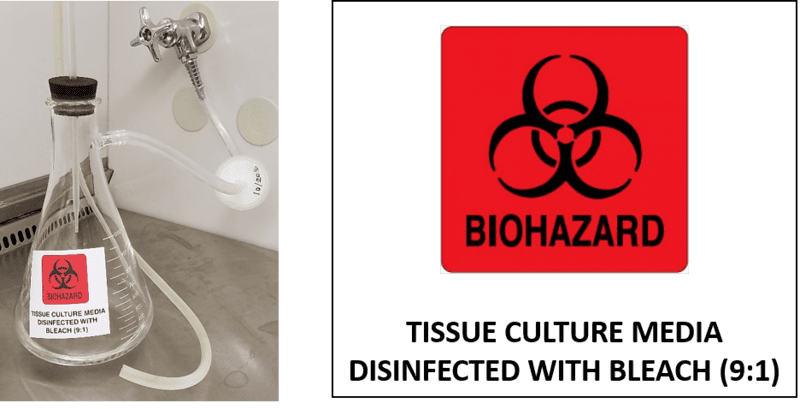
Contaminated culture media
Infected plant tissues and explants
Autoclaved waste residue
Disposable gloves, masks, and PPE
Plastic culture bottles and tubes
Chemical reagents and solvents
Clear classification reduces cross-contamination risk.
Color-Coded Segregation System
Structured segregation improves handling safety.
Segregation support includes:
Color-coded biohazard bins
Sharp-resistant containers
Chemical waste containers
Labeling and hazard tagging
SOP documentation for waste handling
Daily segregation protocols
Standardized systems ensure regulatory compliance.
Safe Collection & Temporary Storage
Controlled collection minimizes exposure risk.
Collection features include:
Scheduled waste pickup
Secure temporary storage rooms
Leak-proof containment
Ventilated storage areas
Access-controlled storage
Daily documentation logs
Safe storage reduces biosafety hazards.
Staff Training & SOP Development
Human error can compromise safety.
Training components include:
Biohazard identification training
PPE usage guidelines
Emergency spill response training
Waste handling protocols
Documentation procedures
Regulatory awareness sessions
Well-trained staff ensure consistent compliance.
Regulatory & Compliance Alignment
Tissue culture labs must follow strict biosafety norms.
Compliance support includes:
Bio-medical waste rule alignment
Hazard labeling compliance
Waste manifest documentation
Audit readiness support
Inspection coordination
Reporting documentation
Compliance reduces legal and operational risks.
Environmental & Safety Benefits
Structured segregation protects both lab and environment.
Benefits include:
Reduced contamination risk
Improved lab hygiene
Lower infection transmission
Reduced environmental pollution
Safe downstream treatment handling
Proper segregation is the foundation of safe disposal.
Strategic Importance in Tissue Culture Operations
Effective bio-waste collection and segregation is the first and most critical step in laboratory waste management. It ensures that waste streams are safely controlled before sterilization, chemical neutralization, or incineration processes.
Strategic advantages include:
Improved laboratory biosafety
Enhanced operational efficiency
Regulatory compliance assurance
Reduced environmental liability
Strengthened institutional credibility
Ideal Customers
Plant tissue culture labs
Agri-biotech research centers
Micropropagation units
Seed technology labs
University biotechnology departments
Commercial plant propagation facilities