


Customize
About Item
Comprehensive thermal energy audit focused on boilers, steam distribution systems, combustion efficiency, insulation performance, condensate recovery, and waste heat recovery opportunities to reduce fuel consumption and improve thermal efficiency.
Service Overview
Thermal systems such as boilers, furnaces, steam pipelines, and heating processes consume significant quantities of fuel in industrial facilities and processing plants. Inefficient combustion, poor insulation, steam leakage, and lack of heat recovery systems can lead to substantial fuel wastage and higher operational costs.
Our Thermal Energy & Boiler Efficiency Audit provides detailed technical assessment of thermal systems to optimize fuel usage, reduce heat losses, and improve combustion efficiency.
The objective is to enhance thermal performance while lowering fuel consumption and carbon emissions.
Boiler Performance Evaluation
Boilers must operate at optimal combustion efficiency.
The audit includes:
Combustion efficiency testing
Flue gas analysis
Excess air level measurement
Stack temperature assessment
Boiler loading evaluation
Burner performance inspection
This identifies fuel wastage and optimization opportunities.
Steam Distribution System Assessment
Steam losses significantly impact efficiency.
We evaluate:
Steam pipeline insulation condition
Steam trap performance testing
Leak detection
Condensate recovery efficiency
Pressure drop analysis
Valve and joint inspection
Improving steam systems can generate immediate savings.
Insulation & Heat Loss Inspection
Thermal insulation plays a critical role in reducing heat loss.
The audit includes:
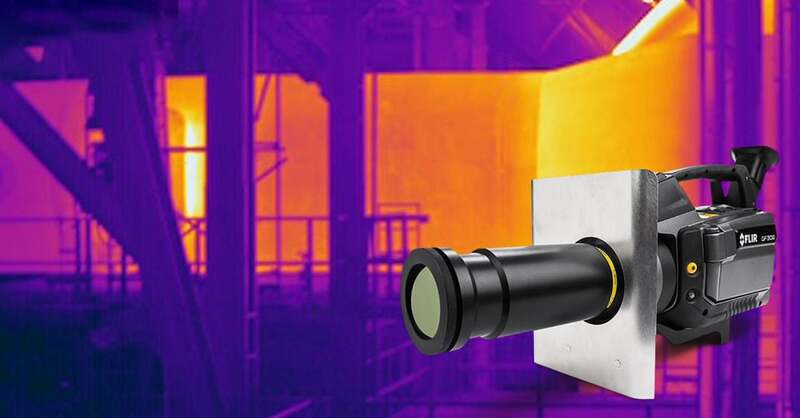
Thermal imaging inspection
Pipe and equipment insulation review
Heat exchanger performance assessment
Surface temperature measurement
Heat leakage detection
This helps reduce unnecessary fuel consumption.
Waste Heat Recovery Evaluation
Recovering unused heat improves system efficiency.
The service assesses:
Economizer feasibility
Air pre-heater systems
Heat exchanger integration
Condensate heat recovery
Flue gas heat utilization
Process heat reuse opportunities
This enhances energy reuse within the facility.
Fuel Optimization Strategy
Efficient fuel management reduces operating costs.
The audit provides:
Fuel consumption benchmarking
Alternative fuel feasibility
Combustion tuning recommendations
Burner control optimization
Maintenance planning
This ensures consistent thermal efficiency.
Financial & Savings Analysis
All recommendations include:
Estimated fuel savings
Reduction in carbon emissions
Investment requirement
Payback period analysis
Lifecycle cost comparison
This supports structured decision-making.
Target Participants
Industrial facility managers
Boiler operators
Plant engineers
Energy managers
Process industry supervisors
Maintenance teams
Agri-processing units
Business & Operational Benefits
Reduced fuel consumption
Lower thermal losses
Improved combustion efficiency
Reduced carbon emissions
Lower operating costs
Enhanced equipment lifespan
Improved system reliability
Stronger sustainability performance