


Customize
About Item
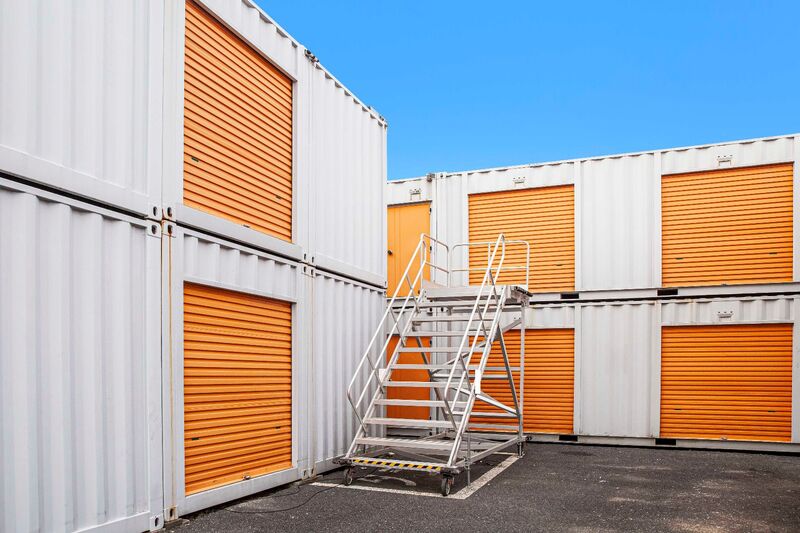
Temporary Warehousing & Mobile Storage Service provides rapid-deployment storage infrastructure for disaster-affected regions. The service ensures safe, organized, and climate-protected storage of relief materials, medical supplies, food commodities, and emergency equipment near operational zones.
Overview
In disaster situations, immediate storage infrastructure becomes essential for organizing and distributing relief supplies efficiently. Fixed warehouses may be inaccessible, damaged, or too far from affected zones. Without structured storage near relief operations, distribution becomes chaotic, leading to material loss, duplication, and delays.
Temporary Warehousing & Mobile Storage Service addresses this gap by deploying portable, scalable, and secure storage units directly near disaster-affected locations. These mobile facilities function as operational hubs for sorting, staging, and dispatching relief materials.
The service is designed to support governments, NGOs, humanitarian agencies, and logistics operators by providing quick-to-install infrastructure that strengthens emergency supply chain coordination.
Rapid Deployment Infrastructure
Speed is critical during disaster response. Our mobile storage units are designed for quick installation and activation.
Deployment capabilities include:
Pre-engineered portable warehouse structures
Container-based modular storage units
Weather-resistant storage tents
On-site assembly within short timelines
Scalable capacity based on relief demand
Flexible relocation capability as operations shift
Rapid deployment ensures immediate operational readiness.
Climate Protection & Material Safety
Relief supplies often include perishable goods, medicines, dry rations, clothing, and equipment that require protection from environmental exposure.
Protection features include:
Weatherproof structures resistant to rain and wind
Elevated flooring to prevent water damage
Ventilated storage layouts
Optional temperature-controlled zones
Pest control and hygiene safeguards
Secure locking and restricted access systems
Proper protection reduces spoilage and material loss.
Inventory Organization & Stock Control
Disorganized storage leads to distribution inefficiencies. Structured warehousing ensures accurate stock management.
Inventory management features include:
Categorized storage zones for different supply types
FIFO (First-In-First-Out) implementation
Barcode and digital inventory tracking (optional)
Real-time stock visibility
Material labeling and dispatch staging areas
Allocation tracking for multiple agencies
Organized storage accelerates distribution efficiency.
Distribution Hub & Cross-Docking Operations
Temporary warehouses can function as active distribution centers.
Operational support includes:
Cross-docking for fast-moving supplies
Batch sorting for camp-wise distribution
Load consolidation for outbound dispatch
Coordination with transport teams
Last-mile dispatch planning
Emergency priority material handling
These hubs streamline supply flow in high-pressure situations.
Scalability & Flexible Configuration
Disaster intensity and relief volume can fluctuate significantly.
Scalability advantages include:
Expandable modular units
Temporary partitioning for multiple agencies
Short-term or extended deployment options
Seasonal emergency stock pre-positioning
Integration with permanent warehouse networks
Flexible infrastructure adapts to changing relief demands.
Integration with Logistics & Command Systems
Mobile storage facilities can be integrated with centralized logistics control systems.
Integration capabilities include:
Linkage with fleet tracking systems
Inventory dashboards
ERP integration for material accounting
Compliance documentation management
Centralized reporting to authorities
Integrated systems enhance coordination and transparency.
Risk Mitigation & Operational Stability
Disasters disrupt traditional infrastructure. Temporary warehousing provides stability.
Operational benefits include:
Reduced material congestion at disaster sites
Minimized theft and pilferage
Improved accountability
Faster dispatch turnaround
Better resource utilization
Stable storage infrastructure improves relief outcomes.
Strategic Importance in Disaster Logistics
Temporary storage facilities act as the backbone of structured disaster response. They enable organized material handling, prevent supply chain breakdowns, and create reliable coordination points between transport teams and field distribution camps.
Strategic advantages include:
Enhanced relief distribution efficiency
Improved supply chain resilience
Faster recovery operations
Better collaboration between stakeholders
Increased transparency and accountability
Ideal Customers
Government disaster management agencies
Humanitarian NGOs
Emergency medical logistics providers
Cold chain operators
Bulk commodity suppliers
Infrastructure and relief contractors