


Customize
About Item
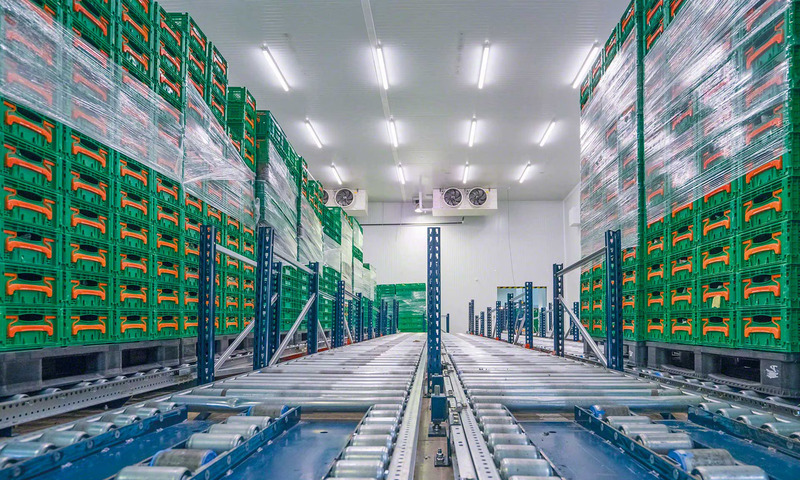
Temperature-Controlled Storage for Fruits & Vegetables provides commodity-specific cold storage conditions to preserve freshness, texture, color, and nutritional value. This service ensures stable temperatures and controlled environments to minimize spoilage and extend shelf life.
Service Overview
Different fruits and vegetables require specific temperature and humidity ranges to maintain quality during storage. Storing multiple commodities without proper temperature zoning can lead to chilling injury, premature ripening, dehydration, or decay.
Temperature-Controlled Storage for Fruits & Vegetables offers professionally managed cold storage environments where each commodity is stored under scientifically recommended conditions.
Scope of Work
Commodity intake inspection and documentation
Allocation to crop-specific temperature zones
Continuous temperature and humidity monitoring
Supervision of stacking, palletization, and airflow
Periodic condition checks and reporting
Fruits & Vegetables Stored
Apples, grapes, citrus, mangoes, bananas
Tomatoes, onions, potatoes, capsicum
Leafy greens and exotic vegetables
Export and domestic market produce
Storage Methodology
Commodity-specific temperature and RH protocols
Controlled air circulation to avoid hot spots
FIFO / FEFO stock rotation
Separation of ethylene-sensitive produce
Regular quality inspections
Quality & Shelf-Life Benefits
Preserves freshness and firmness
Prevents chilling and heat injury
Reduces spoilage and shrinkage
Enables flexible marketing timelines
Quality & Safety Standards
Managed by trained cold storage professionals
Follows agri cold chain and food safety norms
Suitable for export-grade produce
Emphasis on hygiene and traceability
Importance in Perishable Storage
Temperature-controlled storage is the backbone of perishable supply chains. This service helps farmers, traders, and exporters store produce safely, reduce losses, and optimize market timing.