


Customize
About Item
Scheduled Preventive Deep Cleaning & Hygiene Audit Service provides periodic, structured sanitation programs combined with inspection audits to maintain consistent hygiene standards in labs, polyhouses, warehouses, and agro-processing facilities.
Overview
Deep cleaning is most effective when performed systematically rather than reactively. Agricultural facilities that wait for contamination, mold growth, pest infestation, or audit failures often incur higher operational losses and compliance risks.
Scheduled Preventive Deep Cleaning & Hygiene Audit Service establishes a recurring sanitation plan supported by structured hygiene audits. The service ensures that labs, greenhouses, warehouses, cold storages, and agro-processing units maintain consistent cleanliness and compliance readiness.
This preventive approach reduces long-term maintenance costs and contamination risks.
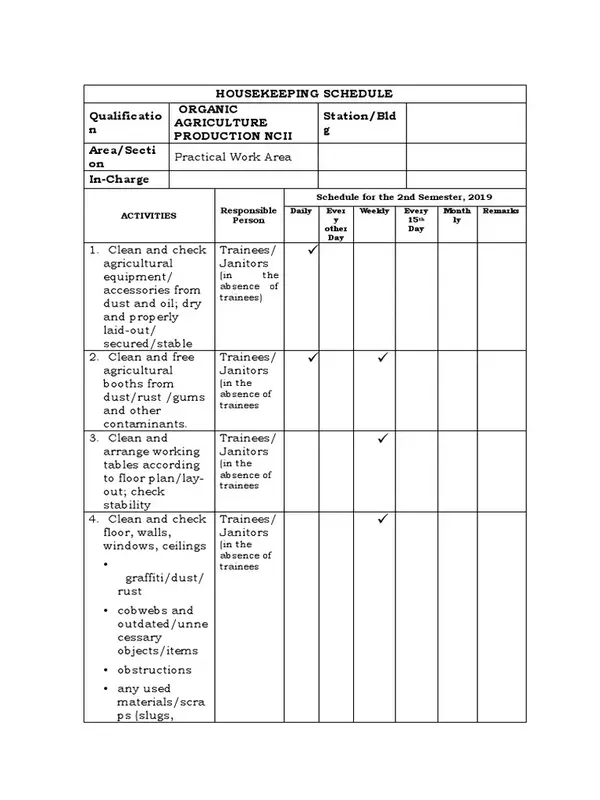
Customized Cleaning Schedule Development
Every facility has unique risk levels.
Schedule planning includes:
Risk-based cleaning frequency determination
Zone-wise cleaning allocation
High-touch surface prioritization
Seasonal sanitation planning
Crop cycle-based cleaning scheduling
Equipment shutdown cleaning coordination
Structured scheduling ensures no area is overlooked.
Periodic Deep Cleaning Execution
Planned cleaning ensures operational continuity.
Service covers:
Floor and surface deep washing
Equipment and rack sanitation
Drain and gutter cleaning
Mold and fungal treatment
Pest hotspot cleaning
Irrigation and air system cleaning
Routine execution prevents buildup.
Hygiene Audit & Inspection
Verification strengthens compliance.
Audit activities include:
Hygiene checklist evaluation
Surface swab testing (where applicable)
Documentation review
SOP adherence check
Risk area identification
Corrective action reporting
Audits ensure accountability and improvement.
Compliance Documentation & Reporting
Documentation supports regulatory audits.
Support includes:
Cleaning log maintenance
Audit summary reports
Corrective action tracking
Inspection readiness support
Annual hygiene performance reports
Proper records improve audit outcomes.
Preventive Risk Mitigation
Early detection avoids major disruptions.
Preventive measures include:
Mold risk monitoring
Pest infestation early warning
Structural hygiene inspection
Equipment cleanliness review
Bio-security reinforcement
Prevention lowers long-term costs.
Staff Awareness & Hygiene Training
Sustained hygiene requires trained personnel.
Training support includes:
Hygiene best practices
Cleaning SOP awareness
Contamination control training
Protective gear usage advisory
Facility cleanliness accountability programs
Staff engagement improves consistency.
Environmental & Operational Benefits
Preventive cleaning improves facility reliability.
Benefits include:
Reduced contamination incidents
Improved product quality
Lower maintenance expenses
Increased equipment lifespan
Enhanced compliance readiness
Preventive systems protect profitability.
Strategic Importance in Agri Operations
Scheduled hygiene management ensures consistent operational performance across labs, polyhouses, and warehouses. It reduces emergency cleaning costs and strengthens long-term sustainability.
Strategic advantages include:
Continuous hygiene control
Reduced operational disruptions
Improved regulatory compliance
Enhanced production reliability
Stronger brand and export credibility
Ideal Customers
Tissue culture laboratories
Polyhouse and greenhouse farms
Agricultural warehouses
Cold storage facilities
Agro-processing plants
Post-harvest handling units