


Customize
About Item
Residue Transportation & Logistics Support provides organized movement of baled or loose crop residues from farms and aggregation centers to biomass plants, processing units, storage facilities, or end-use industries, ensuring efficient and cost-effective supply chain operations.
Overview
Once crop residue is collected and baled, efficient transportation becomes critical to unlock its commercial value. Without structured logistics systems, farmers and aggregators face high transport costs, delayed dispatches, and supply chain inefficiencies.
Residue Transportation & Logistics Support ensures reliable, scalable, and coordinated movement of agricultural biomass across rural and industrial networks. The service integrates farm-level pickups, aggregation center dispatch, route planning, bulk shipment coordination, and delivery tracking.
By streamlining biomass logistics, this service strengthens the crop residue value chain and reduces dependency on field burning.
Farm-to-Aggregation Transport
Movement begins at the field level.
Transport capabilities include:
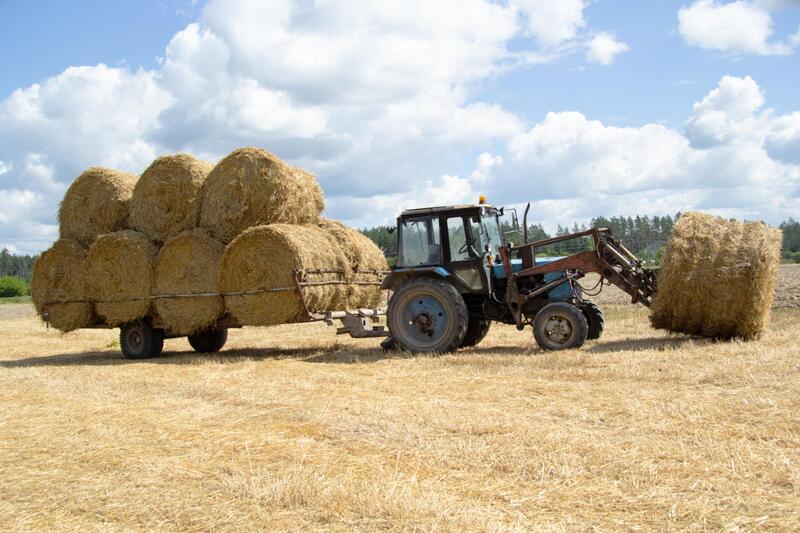
Tractor trolley collection from farms
Multi-farm pickup scheduling
Cluster-based transport planning
Covered vehicles for moisture protection
Loading and unloading supervision
Time-bound dispatch coordination
Structured pickup reduces delays and spoilage risks.
Bulk Dispatch to Industrial Buyers
Residue often moves in high volumes.
Bulk logistics support includes:
Heavy truck deployment
Trailer-based bale transport
Weight optimization planning
Long-distance interstate transport
Load consolidation from multiple centers
Industrial delivery scheduling
Bulk transport reduces per-unit logistics costs.
Moisture & Quality Protection During Transit
Crop residue is sensitive to weather exposure.
Protection measures include:
Covered trucks with tarpaulin support
Moisture monitoring before dispatch
Elevated stacking during loading
Secure strapping of bales
Damage prevention protocols
Safe unloading at destination
Quality preservation maintains buyer standards.
Route Optimization & Cost Efficiency
Transportation costs impact overall profitability.
Operational efficiency features include:
GPS-based fleet tracking
Fuel-efficient route planning
Backhaul optimization
Multi-drop route coordination
Real-time delivery updates
Centralized dispatch control
Optimized routes enhance operational margins.
Integration with Biomass & Processing Units
Residue must align with industrial demand.
Supply chain coordination includes:
Biomass power plant linkage
Pellet and briquette unit supply
Paper and pulp industry delivery
Composting facility routing
Cattle feed manufacturing support
Just-in-time delivery planning
Coordinated logistics ensure uninterrupted industrial operations.
Seasonal Planning & Capacity Management
Residue generation is seasonal.
Scalability support includes:
Peak-season fleet expansion
Temporary transport pooling
Advance dispatch scheduling
Buffer stock movement planning
Flexible contract transport models
Seasonal planning prevents supply bottlenecks.
Environmental & Regulatory Compliance
Transport operations must follow guidelines.
Compliance support includes:
Legal transport documentation
Weight compliance monitoring
Rural road regulation adherence
Emission-conscious fleet planning
Traceability documentation
Compliance ensures smooth operations.
Strategic Importance in Crop Residue Ecosystem
Transportation acts as the bridge between farm-level residue and industrial utilization. Efficient logistics reduce waste, improve farmer income, and strengthen biomass-based industries.
Strategic advantages include:
Reduced stubble burning
Strengthened biomass energy supply chains
Increased rural employment
Enhanced circular agriculture economy
Improved sustainability metrics
Ideal Customers
Biomass power plants
Pellet and briquette manufacturers
Farmer Producer Organizations (FPOs)
Agri cooperatives
Industrial biomass buyers
Rural logistics operators