


Customize
About Item
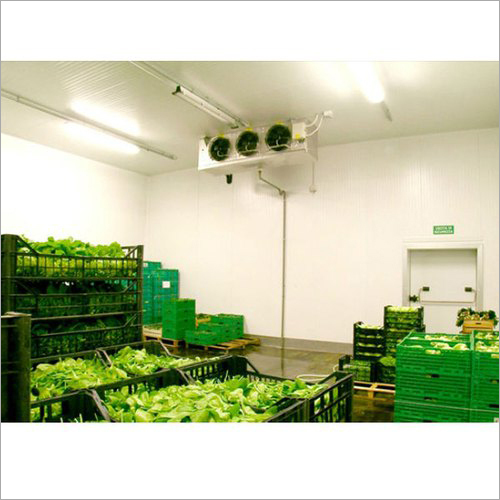
Packhouse HVAC Maintenance Service ensures controlled temperature, airflow, and hygiene in packhouses used for sorting, grading, packing, and pre-cooling of agricultural produce. This service supports produce quality, worker comfort, and post-harvest hygiene standards.
Service Overview
Packhouses are high-activity post-harvest facilities where agricultural produce is exposed during sorting, grading, packing, and temporary holding. Inadequate HVAC performance can lead to heat buildup, moisture imbalance, condensation, and increased microbial risk, affecting produce quality and shelf life.
Packhouse HVAC Maintenance Service provides systematic inspection and servicing of HVAC systems to maintain optimal working conditions and hygiene throughout packhouse operations.
Scope of Work
Inspection of air conditioning and ventilation units
Cleaning of cooling coils, filters, and ducts
Checking air circulation and fresh air intake
Inspection of motors, belts, and fan assemblies
Electrical and thermostat performance checks
Systems Covered
Split and packaged HVAC units
Central HVAC systems for packhouses
Ventilation and fresh air handling systems
Temperature and humidity control units
Pre-cooling area HVAC integration
Maintenance Methodology
Preventive maintenance as per usage intensity
Removal of dust, organic residue, and moisture buildup
Adjustment of airflow and temperature setpoints
Lubrication of moving mechanical parts
Functional testing during packhouse operation
Operational & Produce Benefits
Maintains optimal temperature during handling
Reduces heat stress on produce
Improves hygiene and air quality
Enhances worker productivity and comfort
Quality & Safety Standards
Performed by trained HVAC technicians
Uses food-safe and agri-compatible practices
Complies with post-harvest hygiene standards
Suitable for agri and food-grade packhouses
Importance in Post-Harvest Handling
Well-maintained HVAC systems are essential in packhouses to preserve produce freshness during handling. This service helps reduce post-harvest losses, improve quality consistency, and meet market standards.