


Customize
About Item
Organic Waste Composting & Vermicomposting Service converts agricultural organic waste into high-quality compost and vermicompost using scientific decomposition and earthworm-based processing methods, enhancing soil fertility and supporting circular nutrient cycles.
Overview
Agricultural operations generate significant quantities of organic waste, including crop residues, vegetable waste, spoiled produce, and livestock manure. When unmanaged, this organic waste can attract pests, produce foul odors, and contribute to methane emissions.
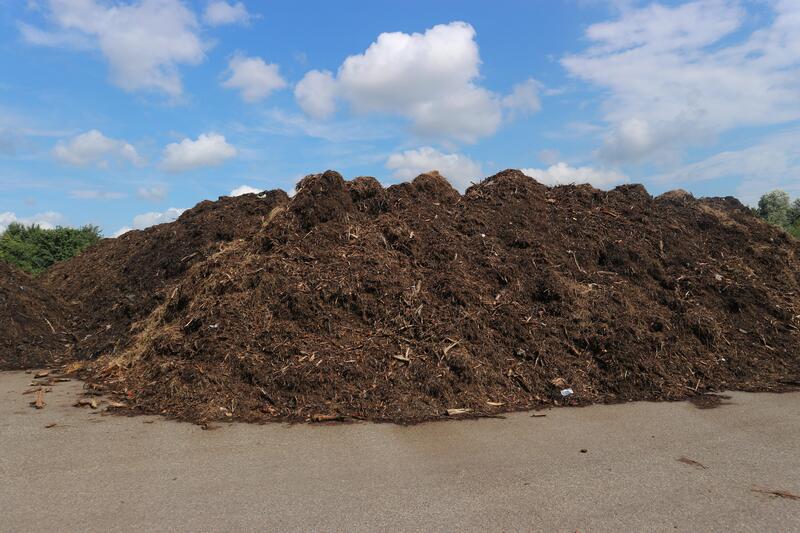
Organic Waste Composting & Vermicomposting Service provides structured biological processing systems to convert farm organic waste into nutrient-rich soil amendments. Through controlled composting or vermicomposting (earthworm-based decomposition), waste materials are transformed into valuable organic manure.
This service supports soil health improvement, reduces reliance on synthetic fertilizers, and strengthens circular agriculture ecosystems.
Composting Process Management
Scientific composting ensures efficient nutrient conversion.
Composting stages include:
Organic waste collection and sorting
Shredding and size reduction
Moisture balance adjustment
Windrow or pit formation
Periodic turning and aeration
Temperature monitoring
Curing and stabilization
Controlled decomposition enhances compost quality.
Vermicomposting Operations
Earthworms accelerate nutrient transformation.
Vermicomposting features include:
Selection of suitable earthworm species
Bed or tank-based vermi units
Layered organic waste feeding
Controlled moisture and shading systems
Regular harvesting of vermicast
Quality testing of finished product
Vermicompost provides superior nutrient availability.
Soil Health & Productivity Enhancement
Organic manure improves long-term soil structure.
Soil benefits include:
Increased organic carbon
Improved microbial diversity
Enhanced soil aeration
Better water retention
Balanced nutrient supply
Reduced soil compaction
Healthy soil leads to stable yields.
Reduction of Chemical Fertilizer Dependency
Organic inputs reduce chemical reliance.
Economic advantages include:
Lower fertilizer purchase costs
Improved nutrient-use efficiency
Reduced soil degradation
Long-term productivity gains
Enhanced organic certification potential
Balanced nutrient management improves farm sustainability.
Environmental & Climate Benefits
Proper organic waste management reduces pollution.
Environmental advantages include:
Reduced methane emissions
Lower landfill dependency
Elimination of open waste burning
Improved rural sanitation
Contribution to carbon sequestration
Circular organic management supports climate resilience.
Packaging & Commercialization Opportunities
Processed compost can be marketed.
Market integration support includes:
Bulk compost supply
Branded vermicompost packaging
FPO-led compost marketing
Organic retail distribution
Soil amendment supply contracts
Local farm-to-farm sales networks
Value-added processing generates revenue.
Scalability & Community Implementation
The service can operate at multiple scales.
Scalable models include:
Farm-level compost pits
Village composting centers
FPO-managed vermicompost units
Cluster-based organic processing
Institutional compost facilities
Flexible implementation supports broad adoption.
Strategic Importance in Circular Agriculture
Organic Waste Composting & Vermicomposting Service plays a key role in closing the nutrient loop in agriculture. By converting waste into fertilizer, farms reduce external input dependency and strengthen soil regeneration practices.
Strategic advantages include:
Enhanced soil fertility
Reduced environmental impact
Strengthened circular nutrient cycles
Improved farmer income diversification
Promotion of sustainable agriculture
Ideal Customers
Organic farmers
Farmer Producer Organizations (FPOs)
Agricultural cooperatives
Rural development agencies
Sustainable agriculture enterprises
State agriculture departments