


Customize
About Item
Organic Waste Collection & Pre-Processing Service provides structured collection, segregation, shredding, and preparation of agricultural organic waste to optimize composting efficiency and ensure consistent feedstock quality for compost plants.
Overview
Efficient compost production depends heavily on proper waste collection and preparation. Farms and agri-processing units generate diverse organic materials such as crop residues, fruit and vegetable waste, dairy manure, and agro-industrial by-products. Without systematic collection and pre-processing, composting can become inefficient and inconsistent.
Organic Waste Collection & Pre-Processing Service establishes a structured supply chain for organic waste aggregation and preparation. The service ensures waste is properly segregated, shredded, moisture-balanced, and optimized before entering composting systems.
This solution enhances compost quality, reduces contamination, and improves overall operational efficiency.
Waste Aggregation & Collection Planning
Systematic collection improves process reliability.
Collection support includes:
Farm-level waste mapping
Scheduled pickup coordination
Cluster-based waste aggregation
On-site segregation training
Collection equipment deployment
Volume tracking systems
Organized collection reduces feedstock variability.
Waste Segregation & Contamination Control
Purity is essential for high-quality compost.
Segregation support includes:
Removal of plastics and non-biodegradable materials
Hazardous waste separation
Organic fraction identification
Source-level awareness training
Contamination inspection protocols
Compliance documentation
Proper segregation improves compost safety.
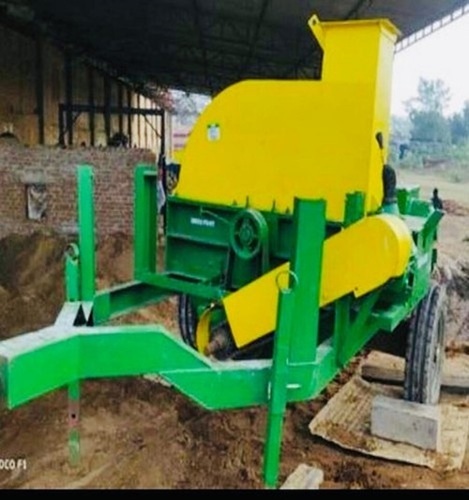
Shredding & Size Reduction
Particle size impacts decomposition speed.
Pre-processing includes:
Crop residue shredding
Biomass grinding
Mechanical chipping
Uniform particle sizing
Equipment setup and maintenance
Safety protocol implementation
Smaller particles accelerate microbial activity.
Moisture & C:N Ratio Optimization
Balanced composition enhances composting efficiency.
Optimization services include:
Carbon-to-nitrogen ratio balancing
Mixing of green and dry waste
Moisture adjustment
Addition of microbial inoculants
Pre-conditioning of manure
Feedstock blending plans
Proper preparation reduces composting time.
Logistics & Supply Chain Integration
Continuous supply supports plant efficiency.
Integration includes:
Transport planning
Waste flow scheduling
Bulk material storage planning
Inventory tracking
Digital data monitoring
Coordination with compost facilities
Reliable logistics ensure uninterrupted operations.
Environmental & Operational Benefits
Pre-processing improves sustainability outcomes.
Environmental benefits include:
Reduced open waste burning
Lower methane emissions
Reduced landfill dependency
Improved rural sanitation
Optimized compost output
Operational efficiency strengthens business viability.
Strategic Importance in Compost Ecosystem
Organic Waste Collection & Pre-Processing is the backbone of any composting system. By ensuring standardized and contamination-free feedstock, it enhances compost quality, improves plant efficiency, and strengthens circular organic waste management.
Strategic advantages include:
Improved compost consistency
Faster decomposition cycles
Reduced operational risk
Enhanced regulatory compliance
Strengthened circular agriculture adoption
Ideal Customers
Compost plant operators
Farmer Producer Organizations (FPOs)
Dairy cooperatives
Agro-processing industries
Organic farming enterprises
Waste management startups