


Customize
About Item
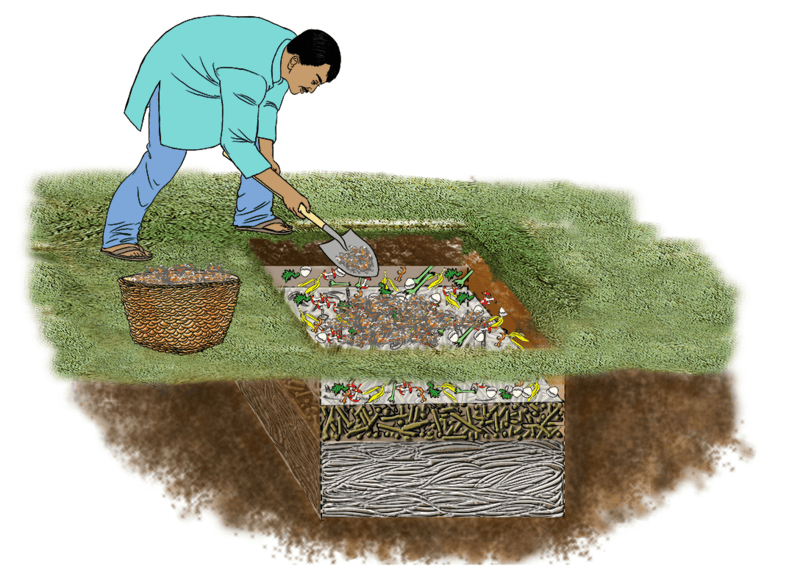
On-Farm Composting System Setup & Design Service provides complete planning, infrastructure development, and operational guidance for establishing efficient composting systems at farm level, converting organic agricultural waste into nutrient-rich compost.
Overview
Farms generate significant volumes of organic waste including crop residues, vegetable waste, fruit peels, livestock manure, and agro-processing by-products. Without structured management, this organic material may decompose inefficiently or be burned, causing environmental and nutrient loss.
On-Farm Composting System Setup & Design Service offers a scientifically designed solution for converting farm waste into stable, nutrient-rich compost. The service includes site assessment, infrastructure design, composting methodology selection, operational training, and monitoring systems to ensure consistent output quality.
This service supports circular nutrient management, soil health improvement, and reduced dependency on chemical fertilizers.
Site Assessment & System Planning
Proper design begins with technical evaluation.
Assessment includes:
Farm waste volume estimation
Available land analysis
Drainage and water source evaluation
Climate suitability review
Composting method selection (pit, heap, windrow)
Infrastructure layout planning
Customized design ensures operational efficiency.
Composting Infrastructure Development
Physical setup is essential for process control.
Infrastructure components include:
Compost pits or windrow beds
Aeration channels
Shredding equipment (if required)
Moisture control systems
Leachate management systems
Protective covering or shed structures
Proper infrastructure improves decomposition efficiency.
Process Design & Material Management
Scientific composting ensures quality output.
Operational design includes:
Organic waste segregation
Carbon-to-nitrogen ratio balancing
Layering techniques
Microbial culture application
Moisture monitoring
Scheduled turning and aeration
Controlled decomposition enhances nutrient retention.
Quality Control & Monitoring
Consistent quality is critical for soil performance.
Monitoring support includes:
Temperature tracking
Moisture level monitoring
Decomposition stage evaluation
Compost maturity testing
Nutrient analysis (optional)
Odor and pest control measures
Structured monitoring ensures high-grade compost.
Farmer Training & Capacity Building
Knowledge ensures sustainability.
Training components include:
Composting best practices
Waste segregation methods
Process troubleshooting
Safe handling procedures
Application guidelines for crops
Record-keeping support
Capacity building improves long-term success.
Soil Health & Productivity Benefits
Compost improves long-term soil structure.
Benefits include:
Increased soil organic matter
Improved microbial activity
Better water retention
Enhanced nutrient availability
Reduced chemical fertilizer use
Increased crop yield stability
Healthy soil strengthens farm resilience.
Environmental & Sustainability Impact
On-farm composting reduces waste burden.
Environmental advantages include:
Reduced open waste burning
Lower methane emissions
Improved rural sanitation
Circular nutrient recycling
Reduced landfill dependency
Sustainable systems support climate resilience.
Strategic Importance in Organic Waste Management
On-Farm Composting Systems form the foundation of decentralized organic waste management. They enable farms to convert waste into valuable soil amendments while improving environmental performance and farm profitability.
Strategic advantages include:
Nutrient self-sufficiency
Reduced input costs
Enhanced sustainability compliance
Improved soil regeneration
Strengthened circular agriculture model
Ideal Customers
Individual farmers
Farmer Producer Organizations (FPOs)
Organic farming enterprises
Agricultural cooperatives
Rural development agencies