


Customize
About Item
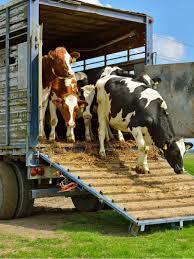
Livestock Evacuation & Transport Support is an emergency agricultural logistics service designed to safely relocate cattle, poultry, goats, sheep, and other farm animals from disaster-affected areas to secure shelters, minimizing animal loss and protecting farmer livelihoods.
Overview
Livestock is a critical economic asset for rural households. During floods, cyclones, droughts, and other disasters, animals face high risk due to waterlogging, lack of feed, extreme weather exposure, and infrastructure collapse. Loss of livestock can have long-term financial and food security consequences for farming communities.
Livestock Evacuation & Transport Support provides structured animal relocation services during emergencies. The service ensures safe handling, proper loading, stress-minimized transportation, and coordination with temporary shelters or safer zones.
This solution supports farmers, dairy cooperatives, livestock boards, and rural authorities in protecting animal assets during crisis situations.
Rapid Animal Relocation Planning
Timely evacuation is critical during sudden weather alerts.
Planning capabilities include:
Risk-zone identification for livestock clusters
Evacuation route mapping
Priority evacuation scheduling
Coordination with village authorities
Temporary holding area arrangement
Multi-batch relocation planning
Structured planning reduces chaos during evacuation.
Specialized Livestock Transport Vehicles
Animals require safe and compliant transportation.
Transport features include:
Ventilated livestock carriers
Partitioned animal transport units
Non-slip flooring systems
Controlled loading ramps
Poultry cage transport solutions
Short and long-distance relocation capability
Proper transport reduces injury and stress.
Safe Handling & Welfare Measures
Animal welfare must be prioritized during movement.
Welfare support includes:
Trained handling personnel
Gentle loading and unloading practices
Overcrowding prevention
Water and rest stop planning
Stress-minimization protocols
Injury monitoring during transit
Humane handling preserves animal health.
Coordination with Temporary Shelters
Evacuated animals require safe accommodation.
Shelter coordination includes:
Temporary livestock camp setup
Elevated platforms in flood-prone zones
Feed and water supply linkage
Basic veterinary coordination (if required)
Segregation for different species
Sanitation and waste management planning
Safe shelter prevents secondary losses.
Emergency Feed & Supply Integration
Evacuated animals may lack access to resources.
Supply support includes:
Emergency fodder transport
Concentrate feed supply linkage
Water tanker coordination
Mineral supplement distribution
Storage of feed stock
Ongoing feed scheduling
Feed continuity maintains animal productivity.
Risk Reduction & Asset Protection
Livestock loss can devastate rural households.
Operational benefits include:
Reduced animal mortality
Protection of dairy and meat production
Stabilized farmer income
Faster post-disaster recovery
Improved rural economic resilience
Protecting livestock safeguards long-term sustainability.
Integration with Government & Veterinary Authorities
Evacuation often involves coordination with authorities.
Integration support includes:
Documentation for livestock movement
Coordination with animal husbandry departments
Compliance with livestock transport regulations
Vaccination and health monitoring records
Relief program linkage
Structured coordination improves operational transparency.
Strategic Importance in Agri Disaster Management
Livestock forms the backbone of many rural economies. Protecting animal assets during disasters is essential for maintaining dairy supply chains, meat production, and farmer livelihood stability.
Strategic advantages include:
Reduced long-term rural financial loss
Maintained dairy and livestock supply continuity
Improved disaster preparedness
Enhanced farmer confidence
Strengthened rural resilience systems
Ideal Customers
Dairy cooperatives
Farmer Producer Organizations (FPOs)
Animal husbandry departments
Livestock transport operators
Rural development agencies
Large farm operators