


Customize
About Item
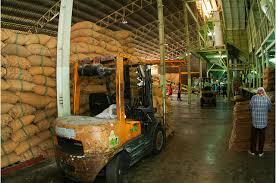
Grain Warehouse Rental offers secure and structured storage infrastructure for cereals and bulk agricultural commodities. This service enables farmers, FPOs, and traders to store grains safely after harvest, reduce quantitative and qualitative losses, and optimize market timing without investing in permanent warehouse facilities.
Overview
Grains such as paddy, wheat, maize, and millets require safe and moisture-controlled storage to maintain quality over time. Grain Warehouse Rental provides scientifically designed warehousing infrastructure that ensures proper ventilation, stacking, and pest control measures to preserve commodity integrity.
This service is particularly critical during peak harvest seasons when market prices are volatile and immediate sale may not be profitable. By leveraging rental warehouse infrastructure, farmers and aggregators can strategically hold stock and sell when market conditions improve.
Storage Infrastructure & Design
Large-capacity covered warehouse structures
Proper flooring to prevent moisture seepage
Ventilated roofing systems
Stack-based and palletized storage options
Segregated commodity storage sections
Warehouses are built to withstand rural environmental conditions and support safe stacking heights without compromising grain quality.
Scientific Storage Practices
Moisture monitoring and control mechanisms
Fumigation-ready infrastructure
Pest and rodent control provisions
FIFO (First-In-First-Out) inventory handling
Periodic inspection support
Scientific storage practices help prevent spoilage, fungal growth, and contamination, ensuring grain retains both weight and market grade.
Operational Flexibility
Short-term and long-term rental options
Dedicated or shared storage space
Seasonal capacity expansion
Bulk handling and easy dispatch facilities
Loading docks and vehicle access zones
This flexibility allows different stakeholders — from individual farmers to large FPOs — to manage inventory efficiently.
Financial & Strategic Advantages
Enables participation in warehouse receipt financing
Supports MSP procurement storage
Reduces distress selling pressure
Enhances negotiation power with buyers
Optimizes supply chain planning
By storing grains in structured warehouses, farmers gain better control over pricing decisions and cash flow management.
Use Cases
Post-harvest storage for cereals
Aggregation by FPOs and cooperatives
Procurement agency stockholding
Trader bulk inventory management
Ideal Customers
Cereal and millet farmers
Farmer Producer Organizations (FPOs)
Agricultural cooperatives
Procurement agencies
Agri-commodity traders