Service OverviewPolyhouse Shade Net Installation is an essential environmental control service in turnkey polyhouse construction. It focuses on managing solar radiation entering the polyhouse to create optimal growing conditions for crops sensitive to high light intensity and temperature. Shade net systems help improve crop health, reduce heat stress, and enhance overall yield quality.
Scope of Work
- Supply and installation of shade nets
- Internal or external shade net fixing
- Manual or motorized shade net systems
- Secure fastening to structure or support wires
- Integration with polyhouse design
Shade Net Specifications- UV-stabilized HDPE shade nets
- Various shading percentages (as per requirement)
- High durability and tear resistance
- Weather-resistant for long-term use
Installation Process- Shade nets measured and cut accurately
- Fixed evenly to ensure uniform shading
- Proper tension maintained to avoid sagging
- Smooth movement ensured for retractable systems
- Final inspection for coverage and operation
Environmental & Crop Benefits- Controls excess sunlight penetration
- Reduces internal temperature buildup
- Protects crops from sunburn and stress
- Improves crop uniformity and productivity
Quality & Installation Standards- Installed as per crop and climate requirements
- Compatible with natural and climate-controlled polyhouses
- UV-resistant for outdoor and indoor applications
- Designed for easy operation and maintenance
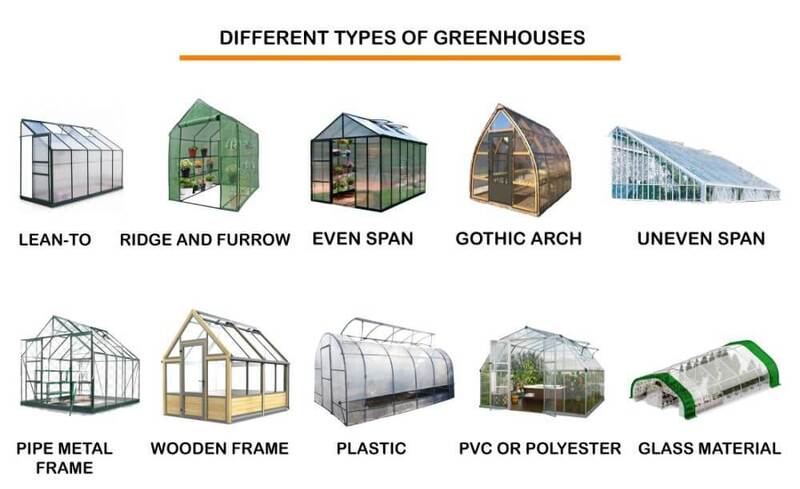
Importance in Turnkey Polyhouse ConstructionShade net installation enhances climate management inside the polyhouse by balancing light and temperature. Proper shading directly contributes to healthier crops, reduced stress, and improved cultivation efficiency. Glass greenhouse construction primarily uses steel frames with glass panels for durability and light transmission, categorized by frame types, glass varieties, and structural profiles. These designs suit commercial horticulture in Tamil Nadu, supporting crops like tomatoes via controlled environments. Frame TypesThree main frame constructions dominate glass greenhouses. - Wood frames: Narrow spans (6.1m width), economical but higher maintenance; suited for small-scale setups.
- Pipe frames: Wider (12.2m), using galvanized steel pipes for medium structures with good strength-to-cost ratio.
- Truss frames: Largest spans (15.2m+), ideal for commercial operations with aluminum/steel trusses for optimal load-bearing.
Glass Covering TypesGlass types vary by strength, clarity, and cost for glazing panels. Type | Key Features | Best Use | Float (annealed) | Clear, high light transmission (90%+), affordable | Basic greenhouses; breaks into sharp shards | Tempered | Heat-treated for 4x strength, shatters safely | High-wind/hail areas like Nāgercoil; 3-4mm thick | Diffused/low-iron | Scatters light evenly, reduces hotspots | Flower/vegetable production for uniform growth | Laminated | Safety layers prevent shattering | Premium installations with added insulation |
Structural ProfilesGutter-connected Venlo-style (multi-span) is common for large-scale Indian projects, using aluminum sash bars over wood for better light and wider glass panels. High-profile designs offer superior ventilation modeling, aligning with your ecsha.com climate control services. Costs range ₹80-120 lakhs/acre pre-subsidy. |