


Customize
About Item
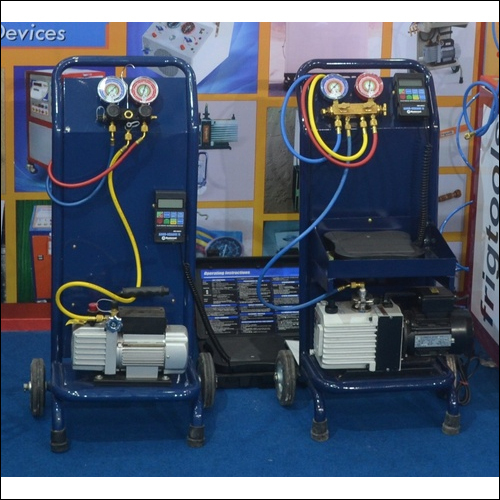
Gas Charging & Refrigerant Leak Detection is a critical refrigeration service for agricultural cold storages that ensures correct refrigerant levels and identifies leaks in the system. This service helps maintain cooling efficiency, prevent breakdowns, and reduce energy losses.
Service Overview
Refrigerant gas is the working medium of cold storage refrigeration systems. Low refrigerant levels or undetected leaks can lead to poor cooling performance, increased compressor load, higher power consumption, and potential system failure.
Gas Charging & Refrigerant Leak Detection provides accurate leak identification, rectification, and precise refrigerant charging to restore optimal refrigeration performance in agri cold storage facilities.
Scope of Work
Inspection of refrigeration system for gas leakage
Leak detection using electronic detectors and pressure testing
Identification of leakage points in joints, valves, and coils
Repair or sealing of leak locations
Refrigerant charging to recommended levels
Refrigerants Handled
R404A, R134a, R507
R290 and other eco-friendly refrigerants
Ammonia (NH₃) systems (where applicable)
Refrigerants used in cold rooms, blast freezers, and ripening chambers
Service Methodology
System evacuation and moisture removal
Controlled refrigerant charging by weight
Monitoring of suction and discharge pressures
Verification of superheat and subcooling values
Performance testing after charging
Operational & Energy Benefits
Restores full cooling capacity
Reduces compressor stress and power consumption
Prevents repeated breakdowns
Extends refrigeration system lifespan
Quality & Safety Standards
Performed by certified refrigeration technicians
Uses approved refrigerant handling procedures
Complies with safety and environmental regulations
Suitable for agri and food-grade cold storage systems
Importance in Agri Cold Storage
Accurate refrigerant charging and early leak detection are essential for stable cold storage operation. This service ensures reliable temperature control, protects stored produce, and minimizes operational costs.