
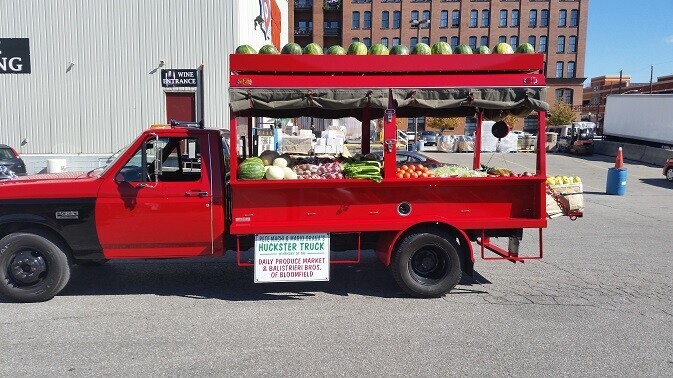


Customize
About Item
Farm Gate Pickup & Collection Logistics is a primary (first-mile) agricultural logistics service that ensures timely collection of harvested produce directly from farm gates and transportation to aggregation centers, warehouses, mandis, or processing facilities. The service minimizes post-harvest losses and improves supply chain efficiency.
Overview
Farm Gate Pickup & Collection Logistics forms the foundation of an efficient agricultural supply chain. In rural regions, farmers often struggle with arranging immediate transport after harvest, leading to delays, spoilage, and reduced price realization. This service eliminates those challenges by deploying scheduled or on-demand vehicles directly to the farm location.
By integrating structured pickup planning with route optimization and load consolidation, the service ensures smooth movement from farm gate to the next stage of the value chain.
First-Mile Collection Process
The service begins at the farm level, where produce is collected either individually or through clustered pickups within a village. Vehicles are assigned based on crop type, volume, and destination requirements.
Key operational components include:
Pickup scheduling aligned with harvest readiness
Commodity-specific vehicle selection
Multi-farm cluster route planning
Direct dispatch to aggregation or mandi
Flexible small-load and bulk-load handling
This structured first-mile coordination reduces transport uncertainty.
Reduction of Post-Harvest Losses
Timely pickup directly impacts product quality and farmer income. When produce remains at farm level without proper transport, it is exposed to environmental damage and handling risks.
The logistics service ensures:
Faster farm-to-destination transit
Reduced exposure to heat and moisture
Fewer handling and reloading points
Improved freshness retention
Better grading and market outcomes
Minimizing delays strengthens the overall agricultural value chain.
Operational & Financial Advantages
Farm Gate Pickup & Collection Logistics also improves cost predictability. Instead of individual farmers negotiating separate transport arrangements, shared or scheduled logistics reduce per-unit freight costs.
Benefits include:
Transparent freight pricing
Shared vehicle allocation for small farmers
Reduced reliance on intermediaries
Improved fleet utilization
Enhanced rural logistics accessibility
This creates a more organized and equitable transport ecosystem.
Digital Integration & Visibility
Modern farm-level logistics increasingly rely on digital systems for better coordination. The service can be integrated with GPS tracking, aggregation platforms, and warehouse management systems to enhance transparency.
Digital features may include:
Real-time vehicle tracking
Pickup confirmation alerts
Load documentation logging
Integration with FPO logistics systems
ERP and billing synchronization
Technology improves accountability and supply chain visibility.
Strategic Importance in Primary Logistics
Farm Gate Pickup is the backbone of first-mile agricultural logistics. Efficient farm-level transport supports better aggregation, smoother procurement, and stronger linkages with secondary logistics networks.
It enables:
Improved rural market access
Stronger FPO operations
Reliable raw material supply for processors
Enhanced farmer profitability
Structured supply chain development
Primary logistics efficiency determines the success of downstream distribution.
Ideal Customers
Small and marginal farmers
Farmer Producer Organizations (FPOs)
Rural aggregation centers
Procurement agencies
Agricultural cooperatives