


Customize
About Item
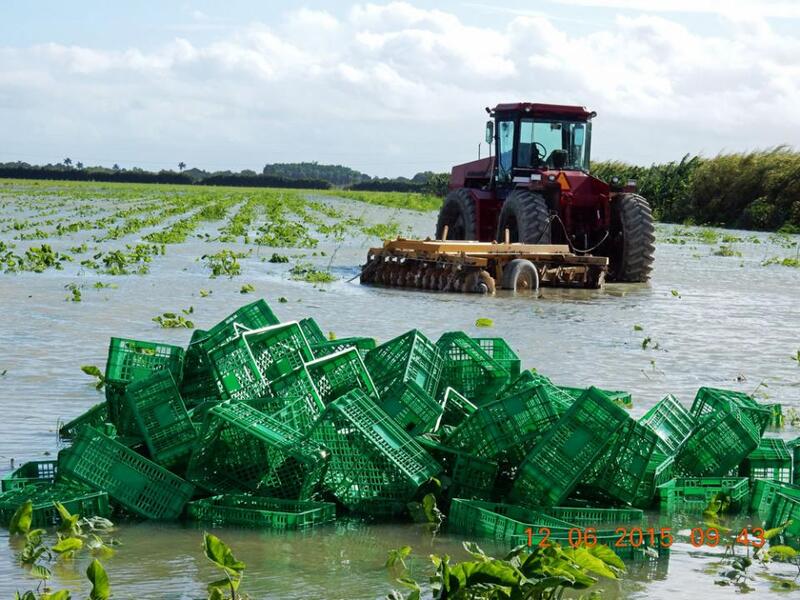
Emergency Harvest Evacuation Transport is a rapid agricultural logistics service designed to move harvested crops from disaster-affected farms to safe storage or market locations. The service minimizes crop loss caused by floods, cyclones, heavy rains, or unexpected disruptions.
Overview
Agricultural harvest periods are highly time-sensitive. When natural disasters such as floods, cyclones, unseasonal rains, or pest outbreaks strike during harvesting season, crops are at immediate risk of spoilage, moisture damage, or total destruction. Delays in evacuation can result in severe financial losses for farmers and agri-businesses.
Emergency Harvest Evacuation Transport provides immediate mobilization of transport vehicles to move harvested or partially harvested crops from vulnerable farm locations to safe warehouses, mandis, cold storage facilities, or processing centers.
This service ensures rapid response, structured coordination, and secure commodity movement to protect farmer income and maintain supply chain continuity.
Rapid Fleet Mobilization for Farm-Level Pickup
Timely evacuation requires quick deployment of appropriate vehicles.
Transport capabilities include:
Tractor trolleys for rural field access
Medium and heavy trucks for bulk commodity movement
Covered vehicles for weather protection
On-call rural transport networks
Multi-point farm pickup coordination
Same-day dispatch scheduling during emergencies
Quick mobilization reduces crop exposure to environmental damage.
Protection Against Weather & Moisture Damage
During heavy rains or floods, crops are highly vulnerable.
Protection measures include:
Covered transport with waterproof tarpaulins
Elevated loading techniques to avoid water contact
Moisture-resistant packaging coordination
Immediate transfer to drying or storage facilities
Fast-track evacuation during rainfall alerts
Proper protection preserves crop quality and market value.
Coordination with Storage & Market Facilities
Evacuated crops must be directed to secure destinations.
Coordination support includes:
Linkage with temporary or permanent warehouses
Cold storage coordination for perishables
Mandi delivery scheduling
Commodity consolidation planning
Documentation for sale or storage
Efficient coordination prevents congestion and delays.
Support for Multiple Crop Types
Different crops require specialized handling.
Commodity handling includes:
Food grains (paddy, wheat, maize)
Pulses and oilseeds
Fruits and vegetables
Cotton and commercial crops
Sugarcane evacuation logistics
Seed-grade produce movement
Customized handling ensures crop-specific safety.
Risk Mitigation & Loss Reduction
Unharvested or stranded crops can deteriorate quickly.
Loss prevention advantages include:
Reduced post-harvest losses
Faster removal from flood-prone fields
Minimized fungal and moisture damage
Controlled spoilage rates
Improved farmer income protection
Evacuation at the right time safeguards profitability.
Integration with Rural Logistics Networks
Agricultural areas often have limited infrastructure.
Operational support includes:
Rural route planning
Local transport partner activation
Panchayat and local authority coordination
Field-level loading supervision
Multi-village evacuation planning
Localized logistics improves operational reach.
Strategic Importance in Agri Disaster Management
Harvest windows are short, and any delay can impact an entire season’s income. Emergency Harvest Evacuation Transport ensures that farmers can protect their produce during sudden weather events and maintain access to markets.
Strategic benefits include:
Stabilized agricultural supply chains
Reduced economic shock to farming communities
Faster recovery after climate disruptions
Enhanced agri logistics resilience
Strengthened trust among farmer networks
Ideal Customers
Farmer Producer Organizations (FPOs)
Agri commodity traders
Rural transport operators
Government agriculture departments
Agri logistics companies
Large-scale farm operators