


Customize
About Item
Red banana tissue culture plants are scientifically produced under controlled laboratory conditions to deliver true-to-type, virus-free and high-performing plants. Unlike traditional suckers, tissue culture plants provide uniform crop growth, faster establishment and consistent bunch quality across the entire field.
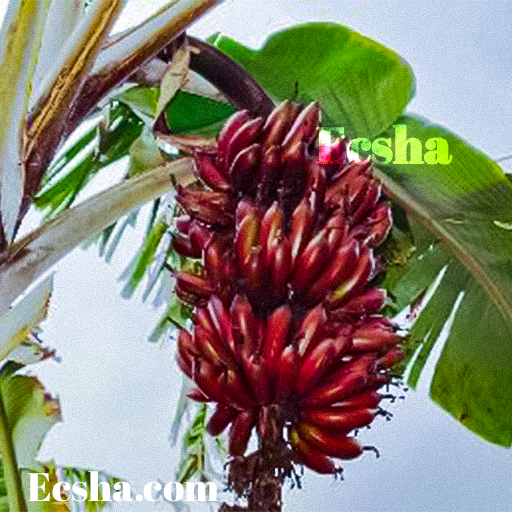
Red bananas are known for their reddish-purple peel, naturally sweet taste, soft texture and rich aroma. They are highly valued in fresh fruit markets and widely used in desserts, baby foods, smoothies and traditional recipes.
Nutritionally, red bananas are rich in beta-carotene, vitamin C, vitamin B6, potassium and antioxidants. Farmers prefer these plants because they offer earlier harvest, higher yield and better market price.? 1️⃣ PRODUCT INFORMATION
| Product_Type | plant |
| Country of Origin | India |
| Usage | ALL |
| Special Feature | NA |
| Application Stage | planting |
| Suitable Crop | all_crops |
? 2️⃣ FEATURES & REQUIREMENTS
| Environment | ALL |
| Soil Type | all_soil |
| Sunlight | ALL |
| Water Requirement | low |
| Compatible | low_maintenance |
| Expected Outcome | yield_improvement |
3️⃣ TECHNICAL & SUPPORT DETAILS
| Size-Height | 25 cm |
| Weight-Capacity Kg | 400 g |
| Coverage | per_unit |
| Material | NA |
| Care & Support | basic_care |
| Scope of Work | supply of material |
Red Banana Tissue Culture Plants
Red banana tissue culture plants are scientifically produced under controlled laboratory conditions to deliver true-to-type, virus-free and high-performing plants. Unlike traditional suckers, tissue culture plants provide uniform crop growth, faster establishment and consistent bunch quality across the entire field.
Red bananas are known for their reddish-purple peel, naturally sweet taste, soft texture and rich aroma. They are highly valued in fresh fruit markets and widely used in desserts, baby foods, smoothies and traditional recipes.
Nutritionally, red bananas are rich in beta-carotene, vitamin C, vitamin B6, potassium and antioxidants. Farmers prefer these plants because they offer earlier harvest, higher yield and better market price.
Key Features
- Tissue culture–raised, disease-free and uniform plants
- Faster establishment and early flowering
- High yield with uniform bunch size
- Excellent demand in domestic and export markets
- Superior fruit color, taste and shelf life
- Better survival rate compared to traditional suckers
Growing Requirements
Climate
- Tropical to subtropical climate
- Ideal temperature: 20°C – 35°C
Soil
- Well-drained loamy or sandy loam soil
- Soil pH: 6.0 – 7.5
Sunlight
- Requires full sunlight for healthy growth
Watering
- Regular irrigation required
- Avoid waterlogging
Spacing and Planting
- Recommended spacing: 6 × 6 feet (1.8 × 1.8 meters)
- Plants per acre: Approximately 1,100 – 1,200 plants
- Best planting season: Year-round with irrigation
- Ideal planting months: June – September
Crop Duration and Yield
- Flowering: 7 – 9 months after planting
- Harvesting: 11 – 14 months after planting
- Average bunch weight: 20 – 30 kg
- Yield potential: High with proper nutrient and irrigation management
Advantages of Tissue Culture Plants
- Free from soil-borne diseases and viruses
- Uniform plant height
- Synchronized harvesting
- Higher survival rate
- Ideal for large-scale commercial farming
- Higher return on investment (ROI)
Product Information
- Plant type: Tissue culture banana plant
- Variety: Red banana
- Plant age: 30 – 45 days
- Delivery form: Polybag / pro-tray hardened plants
- Survival rate: 95%+ under recommended conditions
- Usage: Commercial farming and export cultivation