


Customize
About Item
Crop Salvage & Post-Disaster Recovery Logistics is a specialized agricultural support service focused on recovering partially damaged crops, transporting salvageable produce to treatment or drying facilities, and restoring farm-to-market supply chains after natural disasters.
Overview
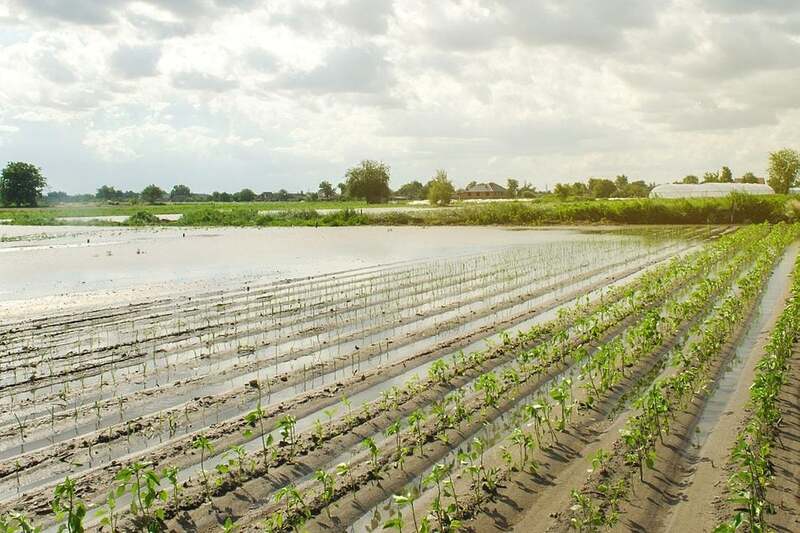
Natural disasters such as floods, cyclones, hailstorms, and unseasonal rains can cause partial or extensive crop damage. However, in many cases, a portion of the produce remains salvageable if handled quickly and systematically. Without structured recovery logistics, even partially usable crops may go to waste.
Crop Salvage & Post-Disaster Recovery Logistics is designed to minimize agricultural losses by identifying recoverable produce, organizing safe collection, facilitating drying or cleaning processes, and transporting crops to suitable storage or processing centers.
This service supports farmers, FPOs, agri cooperatives, and government bodies in reducing post-disaster economic impact and restoring agricultural operations faster.
Rapid Field Assessment & Salvage Planning
Timely evaluation determines how much crop can be saved.
Assessment support includes:
On-field coordination with farmer groups
Identification of salvageable vs. damaged produce
Volume estimation and recovery planning
Priority-based collection scheduling
Coordination with agricultural officers (if required)
Documentation for insurance or compensation purposes
Structured assessment ensures focused recovery efforts.
Organized Crop Collection & Handling
Damaged crops require careful handling to prevent further deterioration.
Collection capabilities include:
Field-level labor coordination
Segregated collection for different damage levels
Controlled loading to avoid contamination
Temporary staging areas setup
Safe bagging and re-bagging services
Quick evacuation from waterlogged zones
Proper handling increases recovery success rates.
Drying, Cleaning & Moisture Reduction Support
Moisture exposure is a major post-disaster risk.
Moisture management services include:
Transport to grain drying facilities
Temporary drying yard coordination
Mechanical drying arrangement (if available)
Aeration and ventilation support
Cleaning and debris removal
Fungal contamination risk reduction
Drying operations restore market viability.
Transportation to Processing or Alternate Markets
Sometimes damaged crops must be redirected.
Logistics coordination includes:
Delivery to processing units for secondary use
Movement to feed manufacturers (if applicable)
Alternative mandi routing
Bulk transport consolidation
Documentation for downgraded sale categories
Safe transfer to storage units
Flexible routing ensures maximum value recovery.
Loss Mitigation & Economic Protection
Even partial recovery can significantly reduce financial loss.
Recovery advantages include:
Reduced total crop wastage
Improved farmer income retention
Faster restoration of cash flow
Reduced dependency on compensation
Stabilized commodity supply in local markets
Effective salvage improves resilience.
Integration with Insurance & Relief Programs
Post-disaster logistics often connect with government schemes.
Support services include:
Damage documentation assistance
Quantity verification records
Support for crop insurance claims
Coordination with relief authorities
Compliance reporting
Transparent inventory tracking
Documentation strengthens claim processes.
Strategic Importance in Agri Disaster Management
Agricultural recovery is not only about future sowing but also about saving what remains. Crop Salvage & Post-Disaster Recovery Logistics helps farming communities regain stability, reduce economic shock, and restore operational continuity.
Strategic benefits include:
Faster agricultural recovery cycles
Strengthened rural economic resilience
Improved disaster response efficiency
Stabilized commodity markets
Enhanced farmer confidence
Ideal Customers
Farmer Producer Organizations (FPOs)
Agricultural cooperatives
State agriculture departments
Commodity aggregators
Crop insurance service providers
Rural logistics operators