


Customize
About Item
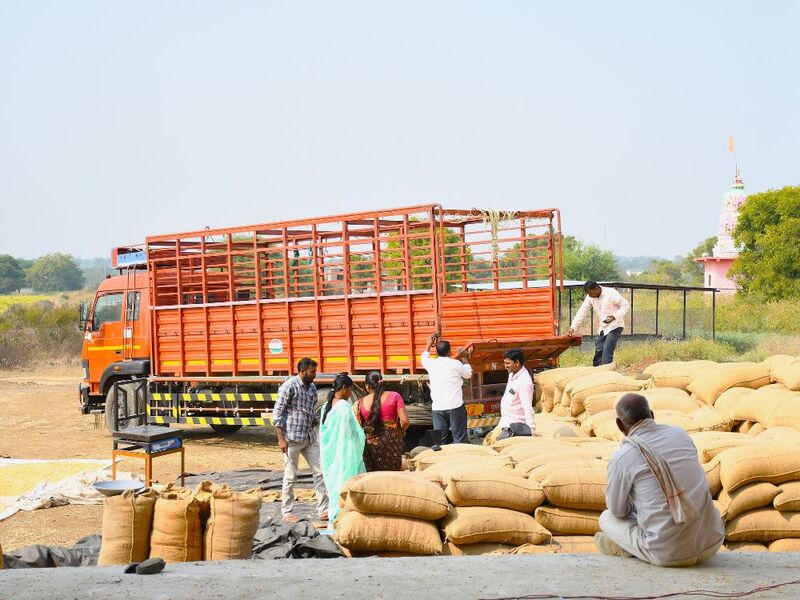
Collection Center to Warehouse Transport Service is a secondary logistics solution that facilitates structured movement of aggregated agricultural produce from village collection centers or FPO aggregation hubs to central warehouses, silos, or cold storage facilities. The service ensures efficient load consolidation, inventory synchronization, and smooth transition into storage systems.
Overview
Once produce is aggregated at village-level collection centers, it must be transported efficiently to warehouses for storage, grading, or further distribution. Delays or poor coordination at this stage can create bottlenecks, inventory mismatch, and increased spoilage risk.
The Collection Center to Warehouse Transport Service bridges primary and secondary logistics by ensuring timely, bulk movement of consolidated produce into structured storage systems.
Structured Secondary Movement
The service focuses on organized bulk dispatch from collection centers to designated warehouses. Transport scheduling is aligned with warehouse intake capacity and storage availability.
Core operational components include:
Bulk load planning based on aggregated volume
Scheduled dispatch aligned with warehouse slots
Batch and lot-level shipment mapping
Multi-vehicle allocation during peak season
Direct transport to designated storage units
Coordinated dispatch reduces congestion at storage facilities.
Inventory & Warehouse Synchronization
Secondary logistics must align closely with warehouse management systems to prevent stock discrepancies. Integration ensures accurate inventory updates upon arrival.
Integration benefits include:
Real-time stock reconciliation
Weighbridge synchronization
Automated inventory updates
Warehouse dock scheduling coordination
Delivery acknowledgment logging
Systematic synchronization improves storage efficiency.
Cost & Operational Efficiency
Bulk movement from aggregation centers lowers transport cost per unit and improves fleet utilization.
Operational advantages include:
Reduced per-ton freight cost
Optimized route planning
Lower vehicle idle time
Faster collection-to-storage cycle
Reduced handling delays
Efficient secondary movement enhances supply chain continuity.
Quality & Handling Considerations
During transit to warehouses, proper handling practices prevent damage, contamination, or moisture exposure.
Handling safeguards include:
Covered or sealed transport (as required)
Proper stacking for grains and packaged produce
Minimal reloading points
Controlled unloading supervision
Reduced transit time
Maintaining quality ensures better storage longevity.
Strategic Role in Secondary Logistics
This service plays a crucial role in transitioning produce from decentralized aggregation points into centralized storage infrastructure. It supports both commercial and institutional supply chains.
Strategic advantages include:
Improved warehouse capacity utilization
Strengthened procurement operations
Better demand forecasting alignment
Enhanced bulk inventory management
Stabilized regional supply chains
Secondary transport efficiency directly influences downstream distribution.
Ideal Customers
Farmer Producer Organizations (FPOs)
Agricultural warehouses and silos
Procurement agencies
Cold storage operators
Commodity traders