


Customize
About Item
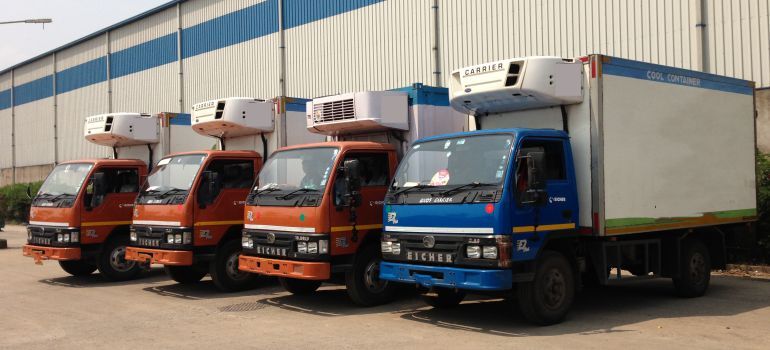
Cold Storage to Retail Distribution Logistics is a secondary logistics service that ensures temperature-controlled movement of perishable agricultural produce from cold storage facilities to retail markets, supermarkets, urban distribution centers, and institutional buyers. The service maintains cold chain integrity and ensures product freshness.
Overview
Perishable agricultural commodities such as fruits, vegetables, dairy products, and processed food items are often stored in cold storage facilities before being distributed to retail markets. However, improper handling during secondary distribution can break the cold chain and reduce product shelf life.
The Cold Storage to Retail Distribution Logistics service ensures uninterrupted temperature control and structured delivery scheduling from storage facilities to retail endpoints.
Temperature-Controlled Distribution Process
Secondary cold chain movement begins at the storage facility and requires careful handling during loading, transit, and unloading. Vehicles are selected based on commodity temperature requirements.
Core operational elements include:
Pre-cooled reefer vehicle deployment
Temperature-specific vehicle allocation
Scheduled dispatch aligned with retail demand
Controlled loading and unloading practices
Multi-stop urban distribution planning
Maintaining cold chain integrity is essential at this stage.
Shelf Life & Quality Preservation
Retail buyers demand consistent quality and freshness. Proper secondary cold chain logistics prevent temperature deviations and spoilage.
Quality benefits include:
Extended product shelf life
Reduced shrinkage and wastage
Maintained texture and nutritional value
Lower rejection rates at retail
Improved brand reputation
Reliable cold chain distribution strengthens market competitiveness.
Urban Distribution Efficiency
Retail distribution often involves multi-location deliveries within cities. Efficient route planning reduces transit time and operational costs.
Operational advantages include:
Route optimization for urban traffic
Timely delivery slot management
Reduced vehicle idle time
Improved fleet utilization
Faster store replenishment cycles
Efficient urban logistics improve retail responsiveness.
Monitoring & Compliance Integration
Cold chain distribution may include digital tracking and monitoring to ensure compliance with food safety standards.
Integration features include:
Temperature monitoring during transit
GPS tracking and ETA updates
Delivery confirmation logging
Cold chain audit documentation
ERP and billing system linkage
Digital visibility enhances accountability and compliance.
Strategic Importance in Secondary Logistics
Cold Storage to Retail Distribution plays a critical role in the final leg of agricultural supply chains. It ensures that produce reaching consumers maintains its intended quality.
Strategic benefits include:
Strengthened farm-to-retail supply chains
Enhanced food safety compliance
Reduced post-storage losses
Support for premium retail markets
Improved urban supply stability
Secondary cold chain logistics are essential for modern agri distribution systems.
Ideal Customers
Cold storage operators
Retail supermarket chains
Urban distribution centers
Horticulture supply networks
Dairy and perishable product distributors