


Customize
About Item
Cold Storage Energy Efficiency Upgrade Program improves refrigeration system performance, insulation efficiency, load management, and automation in agri cold storage facilities to reduce electricity consumption and operational costs.
Overview
Cold storage facilities are among the highest energy-consuming assets in agricultural supply chains. Refrigeration compressors, evaporators, condensers, lighting systems, and insulation structures operate continuously, leading to significant electricity expenses.
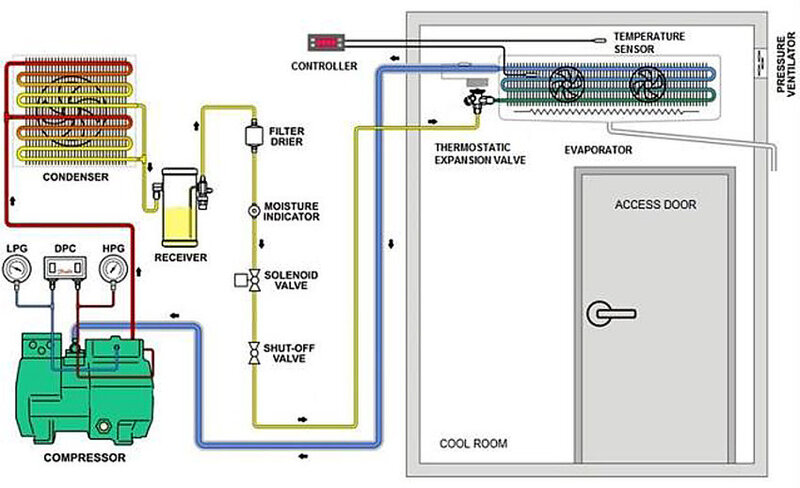
Cold Storage Energy Efficiency Upgrade Program provides a structured assessment and modernization plan to optimize refrigeration systems, reduce energy waste, and improve temperature stability. The program integrates equipment upgrades, automation, and renewable energy compatibility.
This service enhances cost efficiency while maintaining product quality and shelf life.
Refrigeration System Audit
Identifying inefficiencies is the first step.
Assessment includes:
Compressor performance evaluation
Evaporator and condenser efficiency testing
Refrigerant leak detection
Temperature uniformity analysis
Insulation heat loss assessment
Power consumption profiling
Technical evaluation highlights energy loss areas.
High-Efficiency Equipment Upgrades
Modern systems reduce power demand.
Upgrade options include:
Energy-efficient compressors
Variable speed drives (VSD) for motors
Advanced evaporator fans
Smart defrost systems
Improved insulation panels
High-performance refrigeration controls
Upgrades significantly reduce electricity usage.
Thermal Insulation & Structural Improvements
Proper insulation reduces cooling load.
Improvements include:
Insulated door upgrades
Air curtain installation
Roof and wall insulation enhancement
Vapor barrier improvements
Sealing air leakage points
Thermal control enhances efficiency.
Automation & Smart Monitoring
Digital systems improve performance control.
Automation features include:
Temperature and humidity sensors
Remote monitoring dashboards
Load-based compressor control
Energy consumption tracking
Alarm systems for abnormal fluctuations
Smart systems prevent overcooling and wastage.
Renewable Energy & Hybrid Integration
Cold storage facilities can integrate renewable sources.
Integration options include:
Solar rooftop installation
Hybrid power systems
Energy storage battery integration
Load management during peak tariff hours
Renewable integration reduces grid dependency.
Demand Management & Power Optimization
Load balancing reduces peak demand charges.
Optimization strategies include:
Peak load shifting
Time-of-day energy scheduling
Power factor correction
Efficient lighting retrofits (LED)
Backup generator optimization
Demand control lowers operational expenses.
Environmental & Economic Benefits
Energy-efficient cold storage improves sustainability.
Environmental benefits include:
Reduced carbon emissions
Lower refrigerant leakage impact
Improved energy efficiency
Sustainable cold chain operations
Economic benefits include:
Lower electricity bills
Reduced maintenance costs
Improved equipment lifespan
Better ROI and profitability
Strategic Importance in Agri Energy Optimization
Cold storage efficiency directly impacts post-harvest supply chains. Optimizing energy use ensures cost-effective operations while maintaining product quality and reducing waste.
Strategic advantages include:
Improved cold chain reliability
Enhanced sustainability metrics
Reduced energy costs
Strengthened competitive positioning
Long-term operational stability
Ideal Customers
Agricultural cold storage facilities
Fruit and vegetable warehouses
Dairy and meat storage units
Agro-export processing units
Controlled atmosphere storage facilities
Farmer Producer Organizations (FPOs)