


Customize
About Item
Biogas & Biomass Energy Integration Service enables agri facilities to convert organic waste, crop residues, and livestock manure into renewable energy for power generation, heating, and fuel replacement, reducing energy costs and environmental impact.
Overview
Agricultural operations generate large quantities of organic waste such as cattle manure, crop residues, husk, and agro-processing by-products. Instead of treating these materials as waste, they can be converted into valuable renewable energy sources.
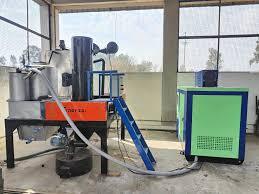
Biogas & Biomass Energy Integration Service provides end-to-end system design, installation, and integration of anaerobic digesters, biomass gasifiers, and energy recovery systems tailored to agri facilities. These systems generate electricity, heat, or bio-CNG, reducing dependency on grid power and fossil fuels.
This service supports circular economy models and enhances energy self-sufficiency.
Feedstock Assessment & Energy Potential Analysis
Energy generation depends on biomass availability.
Assessment includes:
Waste volume estimation (manure, residues, slurry)
Calorific value analysis
Seasonal feedstock availability study
Moisture content measurement
Gas yield estimation
Energy demand profiling
Proper evaluation ensures viable system sizing.
Biogas Plant Installation
Anaerobic digestion converts waste into methane-rich gas.
System components include:
Anaerobic digester tanks
Slurry mixing units
Gas storage domes
Biogas purification systems
Gas engines or generators
Slurry outlet management
Biogas can be used for electricity or heating.
Biomass Gasifier Setup
Dry biomass can be converted into producer gas.
Gasifier components include:
Biomass feeding system
Combustion chamber
Gas cleaning unit
Cooling system
Power generation module
Ash handling system
Gasifiers are suitable for crop residue utilization.
Energy Utilization & Integration
Generated energy supports multiple operations.
Applications include:
Electricity generation
Boiler fuel replacement
Thermal heating systems
Cold storage backup power
Irrigation pump operation
Bio-CNG production (advanced systems)
Integration reduces grid dependency.
By-Product Management & Nutrient Recovery
Energy systems produce useful by-products.
By-products include:
Digestate slurry (organic fertilizer)
Bio-slurry compost integration
Ash reuse in soil conditioning
Carbon reduction credits (where applicable)
Waste-to-energy improves overall farm sustainability.
Automation & Performance Monitoring
Efficient systems require monitoring.
Monitoring features include:
Gas production tracking
Methane concentration measurement
Generator performance monitoring
Temperature control systems
Digital dashboards
Preventive maintenance alerts
Monitoring enhances operational reliability.
Financial & Environmental Benefits
Renewable integration improves sustainability.
Environmental benefits include:
Reduced methane emissions
Lower fossil fuel usage
Improved waste management
Reduced carbon footprint
Business benefits include:
Lower electricity and fuel costs
Energy independence
Additional revenue from bio-CNG or power sale
Improved ESG performance
Strategic Importance in Agri Energy Optimization
Biogas and biomass systems create a circular energy ecosystem within agri facilities. By converting organic waste into renewable energy, farms reduce operational expenses while improving environmental performance.
Strategic advantages include:
Long-term energy security
Waste-to-value conversion
Reduced environmental liability
Sustainable rural energy development
Improved financial resilience
Ideal Customers
Dairy farms
Large agricultural estates
Agro-processing units
Poultry farms
Food processing industries
Rural agri clusters