


Customize
About Item
Animal Feed Emergency Supply Logistics ensures rapid procurement, transportation, and distribution of fodder, cattle feed, poultry feed, and nutritional supplements to livestock owners during disasters, preventing productivity loss and livestock starvation.
Overview
During floods, droughts, cyclones, or severe weather disruptions, access to fodder and commercial feed can be severely impacted. Grazing fields may be submerged, supply routes blocked, and local feed stock destroyed. In such conditions, livestock productivity declines rapidly, and prolonged feed shortages can result in animal mortality.
Animal Feed Emergency Supply Logistics is designed to maintain uninterrupted feed supply to dairy farmers, livestock owners, poultry farms, and rural cooperatives. The service ensures structured sourcing, bulk transport, safe storage, and last-mile distribution of feed materials during crisis periods.
This solution helps protect livestock health, sustain milk and meat production, and stabilize rural income streams.
Rapid Procurement & Bulk Sourcing
Quick sourcing is critical to prevent feed shortages.
Procurement capabilities include:
Activation of pre-approved feed manufacturers
Bulk fodder procurement from alternate regions
Emergency concentrate feed sourcing
Silage and hay bale supply coordination
Mineral mixture and supplement procurement
Price stabilization agreements during crises
Reliable sourcing ensures immediate availability.
Emergency Transport & Rural Delivery
Feed must reach livestock clusters quickly.
Logistics support includes:
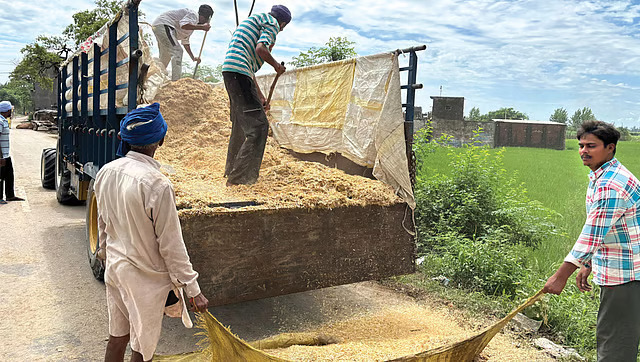
Bulk transport via covered trucks
Rural route optimization
Cluster-based distribution scheduling
Village-level drop-off points
Direct dairy cooperative delivery
Multi-point supply chain coordination
Efficient transport reduces supply gaps.
Temporary Feed Storage & Buffer Stocking
Storage plays a key role during extended disruptions.
Storage support includes:
Temporary warehouse coordination
Elevated storage platforms in flood zones
Moisture-resistant feed storage methods
Segregation of different feed types
Stock rotation management
Buffer stock planning for prolonged crises
Structured storage prevents feed spoilage.
Nutritional Support & Productivity Protection
Proper nutrition ensures livestock survival and productivity.
Feed categories supported include:
Green fodder (where feasible)
Dry fodder and hay
Commercial cattle feed
Poultry feed
Goat and sheep feed
Mineral supplements and salt licks
Balanced feed distribution protects milk yield and animal health.
Integration with Dairy & Livestock Networks
Coordinated supply strengthens operational efficiency.
Integration support includes:
Coordination with dairy cooperatives
Alignment with livestock camps
Government relief feed programs
Livestock department linkage
Digital allocation tracking
Transparent reporting systems
Integrated logistics enhances accountability.
Risk Mitigation & Economic Stability
Feed shortages directly impact farmer income.
Operational advantages include:
Reduced livestock mortality
Maintained dairy production levels
Stabilized rural employment
Lower long-term recovery costs
Improved disaster resilience
Continuous feed supply protects economic sustainability.
Strategic Importance in Agri Disaster Management
Livestock feed logistics is critical during disaster response. Without structured feed distribution, even evacuated animals remain vulnerable. Ensuring nutritional continuity supports long-term agricultural recovery and rural stability.
Strategic benefits include:
Strengthened livestock value chains
Enhanced disaster preparedness
Reduced dependency on compensation programs
Improved farmer confidence
Stabilized rural food production
Ideal Customers
Dairy cooperatives
Livestock farm operators
Farmer Producer Organizations (FPOs)
Animal husbandry departments
Rural development authorities
Commercial feed manufacturers