


Customize
About Item
Agricultural Waste Collection & Segregation Service provides structured farm-level waste collection, sorting, and channelization of organic and inorganic agricultural waste into recyclable, reusable, or value-added streams, supporting circular economy practices in rural ecosystems.
Overview
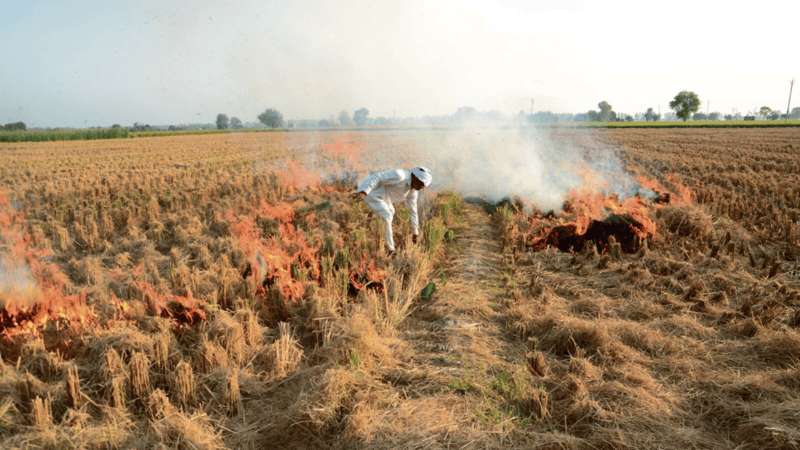
Modern agriculture generates diverse types of waste, including crop residues, agri plastics, packaging materials, damaged inputs, and organic by-products. Without systematic collection and segregation, this waste often ends up being burned, buried, or improperly discarded, leading to soil contamination and environmental pollution.
Agricultural Waste Collection & Segregation Service establishes a structured waste management ecosystem at farm and village levels. The service focuses on identifying waste categories, organizing farm-level collection, setting up segregation points, and channeling materials into appropriate recycling, composting, or recovery systems.
By transforming waste into resources, this service strengthens circular agriculture and promotes sustainable rural development.
Farm-Level Waste Collection
Efficient circular systems begin with structured collection.
Collection support includes:
Scheduled village-level waste pickup
Cluster-based farm collection routes
Tractor and small vehicle deployment
Seasonal post-harvest residue collection
Bulk waste consolidation planning
On-demand pickup coordination
Organized collection prevents uncontrolled disposal.
Waste Segregation & Classification
Proper sorting ensures efficient recycling.
Segregation categories include:
Organic waste (crop residues, spoiled produce)
Agri plastic waste (mulch film, drip pipes, fertilizer bags)
Packaging materials
Metal and machinery scrap
Hazardous input containers
Biodegradable vs. non-biodegradable waste
Structured classification improves material recovery efficiency.
Establishment of Village-Level Segregation Centers
Centralized points improve waste handling.
Center features include:
Dedicated waste sorting zones
Temporary storage compartments
Covered areas for moisture protection
Weight measurement and documentation
Safe handling guidelines
Linkage to recycling partners
Segregation centers enhance operational organization.
Channelization to Recycling & Value-Added Streams
Collected waste is redirected to appropriate processing channels.
Downstream integration includes:
Composting units for organic waste
Biomass energy plants
Plastic recycling facilities
Scrap metal recovery units
Biogas plants
Packaging recycling programs
Channelization converts waste into economic opportunity.
Environmental Protection & Pollution Reduction
Unmanaged agricultural waste can harm ecosystems.
Environmental benefits include:
Reduced open burning incidents
Lower soil contamination
Reduced water body pollution
Controlled plastic disposal
Improved rural sanitation
Structured systems improve ecological balance.
Compliance & Sustainability Reporting
Waste management is increasingly regulated.
Compliance support includes:
Documentation of waste volumes
Reporting for sustainability programs
Support for government environmental schemes
Traceability of recycled materials
Corporate sustainability alignment
Transparent documentation strengthens accountability.
Economic & Community Benefits
Circular systems create rural opportunities.
Economic advantages include:
Additional income from recyclable waste
Reduced disposal costs
Employment generation at segregation centers
Improved community cleanliness
Participation in sustainability programs
Waste recovery adds financial value.
Strategic Importance in Circular Agriculture
Agricultural Waste Collection & Segregation Service forms the foundation of circular economy implementation in rural agriculture. By systematically managing waste streams, it enables recycling, reuse, and value-added conversion processes.
Strategic advantages include:
Strengthened rural circular economy
Improved resource efficiency
Reduced environmental impact
Enhanced sustainability compliance
Increased long-term agricultural resilience
Ideal Customers
Farmer Producer Organizations (FPOs)
Agricultural cooperatives
Rural development agencies
State agriculture departments
Agri sustainability enterprises
Large farm clusters