


Customize
About Item
Agri Plastic Waste Recycling Service focuses on the collection, segregation, cleaning, and recycling of agricultural plastics such as mulch films, drip irrigation pipes, greenhouse sheets, and fertilizer bags, converting farm plastic waste into reusable raw materials.
Overview
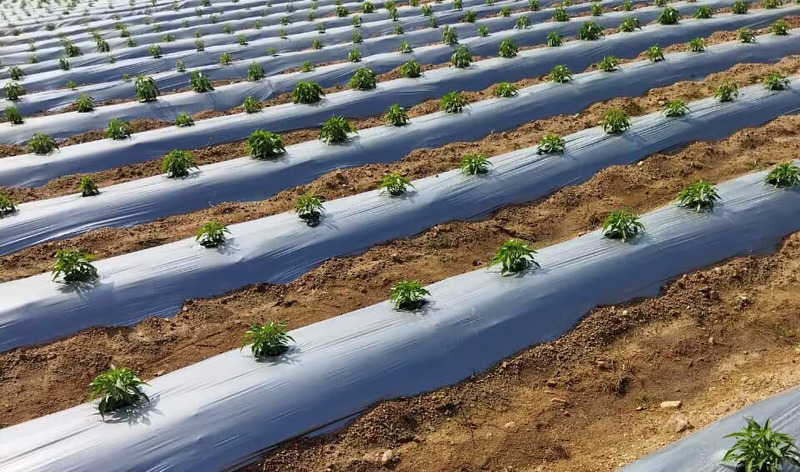
Modern agriculture increasingly depends on plastic-based inputs such as mulch films, drip irrigation pipes, greenhouse covers, silage wraps, and packaging materials. While these materials improve productivity, improper disposal creates long-term soil contamination, microplastic buildup, and environmental hazards.
Agri Plastic Waste Recycling Service establishes a structured system for collecting and recycling farm plastics. The service ensures that used plastic materials are recovered, processed, and converted into secondary raw materials rather than being burned or discarded in fields.
By integrating plastic recycling into agricultural ecosystems, the service strengthens circular economy adoption and promotes sustainable farming practices.
Structured Collection & Recovery
Efficient recycling begins with organized recovery systems.
Collection support includes:
Post-season mulch film retrieval
Drip irrigation pipe recovery drives
Cluster-based plastic waste pickup
Village-level plastic aggregation points
On-demand farm collection scheduling
Bulk consolidation for transport
Organized recovery prevents environmental leakage.
Segregation & Material Classification
Different plastics require different processing methods.
Segregation categories include:
LDPE mulch films
HDPE drip pipes
Greenhouse sheets
Silage wraps
Fertilizer and pesticide packaging
Mixed agricultural plastics
Proper classification improves recycling efficiency.
Cleaning & Pre-Processing
Agricultural plastics often contain soil and residue contamination.
Pre-processing steps include:
Soil and debris removal
Washing and drying
Cutting and shredding
Removal of non-plastic contaminants
Quality grading
Preparation for reprocessing
Clean material ensures higher recycling value.
Recycling & Reprocessing
Recovered plastics are converted into reusable raw materials.
Recycling outcomes include:
Plastic granule production
Reprocessed polymer pellets
Manufacturing of secondary plastic products
Industrial raw material supply
Non-food-grade plastic applications
Infrastructure product manufacturing
Recycling reduces dependency on virgin plastic.
Environmental & Soil Protection Benefits
Improper plastic disposal harms farmland.
Environmental advantages include:
Reduced soil contamination
Prevention of microplastic buildup
Lower air pollution from plastic burning
Reduced landfill dependency
Improved farm hygiene
Responsible recycling protects ecosystems.
Compliance & Extended Producer Responsibility (EPR) Support
Plastic management is increasingly regulated.
Compliance support includes:
Waste tracking documentation
Recycling certification support
EPR program alignment
Sustainability reporting assistance
Government scheme participation
Structured systems ensure regulatory compliance.
Economic & Community Value Creation
Recycling generates new revenue streams.
Economic benefits include:
Income from recovered plastics
Reduced waste disposal costs
Rural employment generation
Strengthened recycling industry linkage
Contribution to green economy initiatives
Circular plastic management supports sustainable growth.
Strategic Importance in Circular Agriculture
Agri plastic recycling is critical for building a responsible agricultural ecosystem. By recovering and reprocessing plastic waste, farms can reduce environmental impact while promoting sustainable input cycles.
Strategic advantages include:
Strengthened circular economy adoption
Reduced environmental footprint
Improved brand sustainability
Enhanced regulatory compliance
Long-term soil health protection
Ideal Customers
Farmer Producer Organizations (FPOs)
Greenhouse operators
Drip irrigation companies
Agricultural cooperatives
Plastic recycling companies
State environmental departments